
CapitaLand Ascendas REIT (CLAR) has offered a useful snapshot of Singapore’s industrial property market. Its first-half 2026 results show a portfolio still generating growth, even as occupiers become more selective about location, building quality and operating efficiency.
Distributable income rises 8.6%
CLAR reported distributable income of S$359.4 million for the six months ended June 30, 2026, up 8.6% from S$331.1 million a year earlier. Revenue rose 6.7% to S$805.5 million. Distribution per unit was broadly steady at 7.482 Singapore cents.
The numbers matter because CLAR has one of the largest and most diversified industrial portfolios listed in Singapore. Its results are not a direct measure of every warehouse, factory or business park, but they provide a useful read on how established assets are performing across different occupier groups.

Why the result is relevant to industrial property
Singapore’s industrial market is not moving as one block. Older premises may face more competition, while modern warehouses, business parks and facilities suited to advanced manufacturing can command stronger tenant interest. JTC’s latest indicators point to an industrial-space occupancy rate of 89.1% in the second quarter, with rents up 0.5% and prices up 0.6% quarter on quarter.
That is steady rather than explosive growth. It suggests that the market is being supported by real operating requirements, not only by investment sentiment. Logistics users need efficient distribution space; manufacturers need compliant facilities; and technology-related occupiers are looking for buildings with reliable power, connectivity and room to scale.
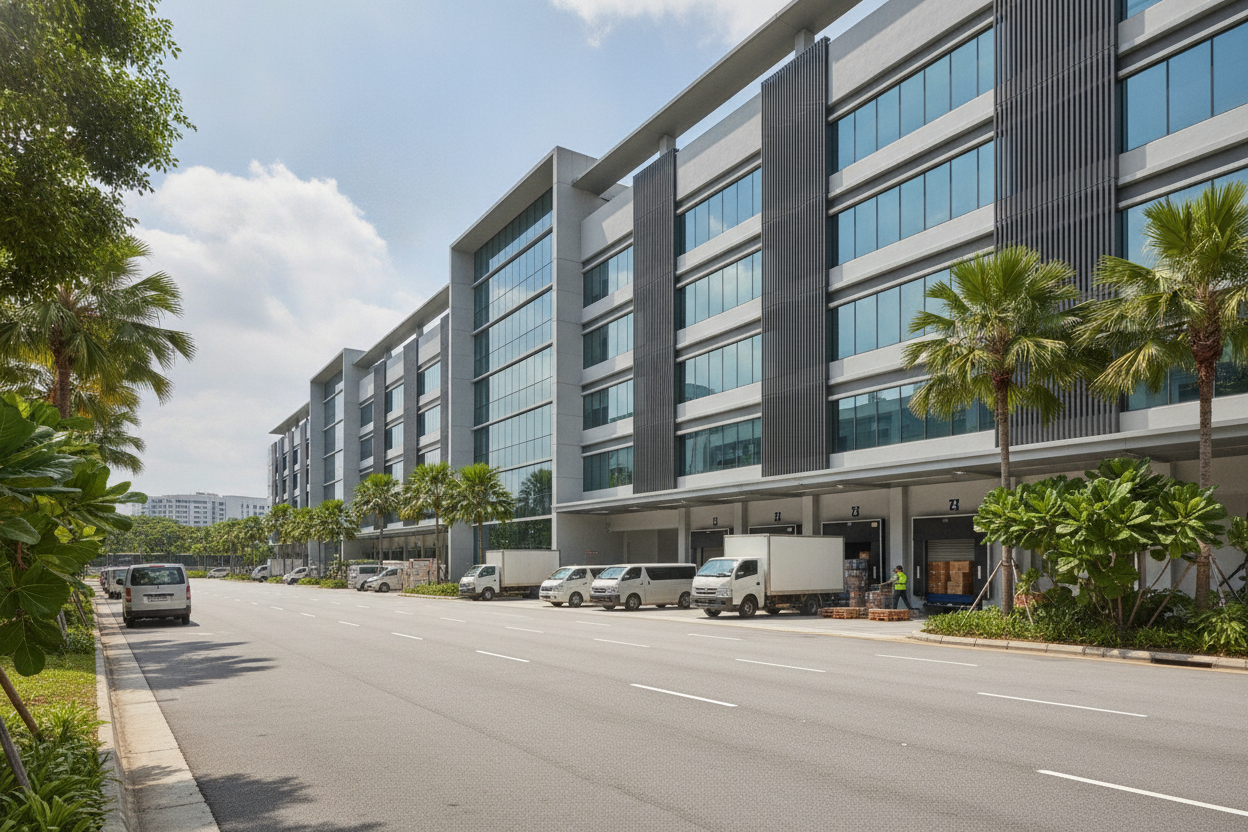
Investors will watch supply and tenant quality
For owners, the next test is rental reversions and lease renewal demand. A strong headline result does not remove the need to manage vacancies, operating costs and upcoming supply. The most defensible assets are likely to be those with practical specifications, good access to labour and transport, and a tenant base connected to durable business activity.
For occupiers, the lesson is more practical: compare total occupancy cost rather than headline rent alone. Loading access, floor loading, ceiling height, power capacity, compliance requirements and renewal flexibility can make a meaningful difference to the economics of a facility.

A measured signal, not a blanket forecast
CLAR’s 1H 2026 performance supports a measured view of Singapore industrial property. Demand remains tangible, but the strongest results will favour assets that match what businesses actually need. Investors reviewing the sector should look beyond occupancy and distribution figures to lease expiry profiles, asset quality, tenant concentration and the cost of future upgrades.
Readers tracking land supply can review our Industrial Government Land Sales guide, while those assessing redevelopment opportunities may find our coverage of industrial collective sales useful. For broader market context, see our analysis of the future of Singapore industrial property.
Sources: CapitaLand Ascendas REIT 1H 2026 results announcement, Singapore Exchange and JTC market indicators. Figures and interpretations are provided for information and are not investment advice.

