
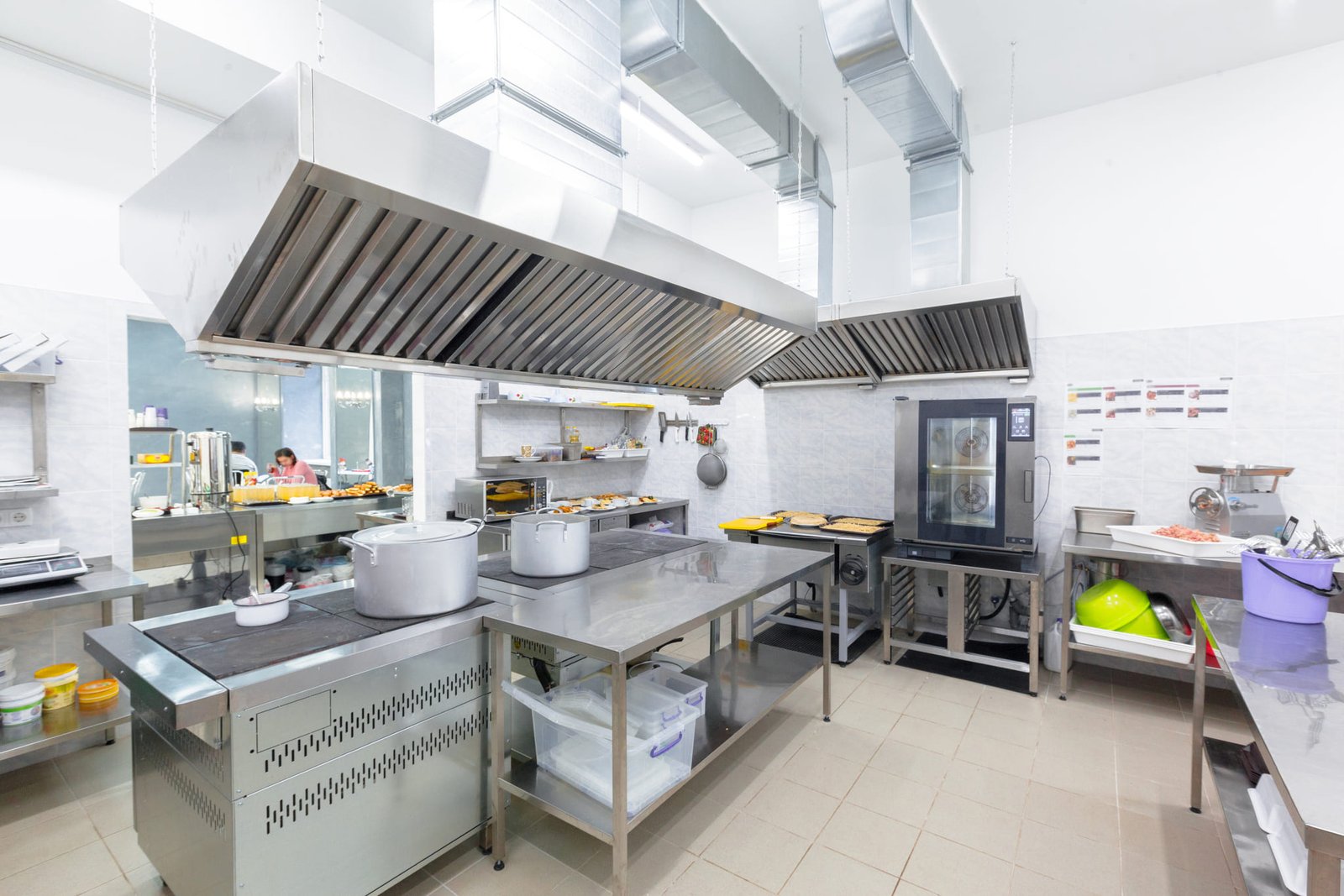
Singapore’s food landscape is undergoing a major transformation, and at the centre of this shift is the rapid rise of commercial kitchen facilities as a sought-after asset class. As consumer demand for food delivery, ready-to-eat meals, and centralized production surges, developers and investors are beginning to see the long-term potential of specialized food manufacturing hubs. Among the standout properties driving this evolution is Food Point @ Tai Seng, a high-performance industrial development purpose-built for food operators. Its success, combined with projects such as Gourmet Xchange at Kallang Way and EcoFood’s modern facilities, signals a clear trend: commercial kitchens are no longer just back-of-house operations—they are becoming critical real estate assets shaping Singapore’s future food economy.
A key reason behind this growing interest is the shift in how food businesses operate. Traditional restaurant kitchens are increasingly constrained by rising manpower costs, space limitations, and the need for more efficient workflows. In contrast, commercial kitchen facilities like Food Point @ Tai Seng offer production-ready spaces with high electrical loading, robust exhaust systems, and layouts designed for scalable output. This allows operators to centralize cooking, preparation, and packaging in one high-efficiency location. As brands expand islandwide, central kitchens help them maintain consistency, reduce labor duplication, and increase production capacity without needing multiple storefronts. With the food delivery sector continuing to thrive, this model provides businesses with the cost-efficiency and agility needed to stay competitive.
The rise of Gourmet Xchange at Kallang Way further reinforces this trend. This development has attracted food manufacturers, caterers, cloud kitchen operators, and processing companies seeking future-ready infrastructure. Its strategic location and high-spec design—featuring reinforced floors, generous ceiling heights, and energy-efficient systems—make it ideal for heavy equipment, cold-chain operations, and automated production lines. As companies scale production and experiment with new product categories, developments like Gourmet Xchange offer growth flexibility that traditional industrial units simply cannot provide. The strong demand seen at Gourmet Xchange demonstrates that the market values specialized facilities tailored to the food sector’s evolving needs.
Sustainability is also becoming a defining factor for modern food production facilities, and this is where EcoFood stands out. As a developer focused on environmentally conscious industrial spaces, EcoFood integrates features such as water-efficient systems, advanced waste management, and energy-saving infrastructure. These enhancements not only reduce operating costs for tenants but also support Singapore’s national sustainability goals. In a sector known for high resource usage, access to greener industrial units helps food companies improve operational performance while meeting regulatory standards. As more brands commit to ESG targets, demand for sustainable commercial kitchen spaces is expected to grow steadily.
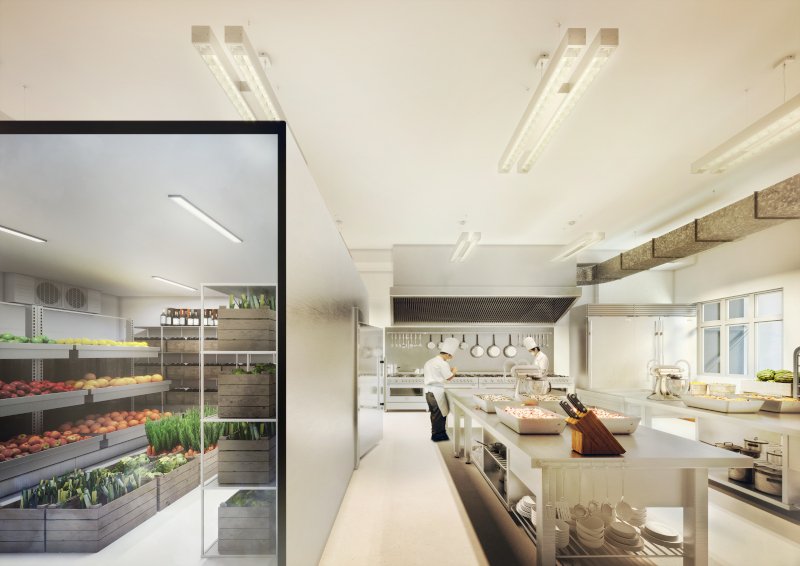
Another driver behind commercial kitchens becoming a strong asset class is the rise of local and regional food manufacturing. Singapore’s push for greater food security has encouraged companies to expand local production, innovate new food technologies, and diversify supply chains. Purpose-built properties like Food Point @ Tai Seng and Gourmet Xchange give manufacturers the controlled environments they need to meet strict hygiene, safety, and quality standards. This growing ecosystem of high-spec food facilities has made Singapore an attractive base for global brands exploring Asian-market production, reinforcing the long-term value of these assets.
Ultimately, commercial kitchens represent a resilient, future-focused segment of the industrial real estate market. With strong demand from F&B operators, food manufacturers, and delivery-driven brands, these facilities offer stable occupancy and long-term growth potential. Food Point @ Tai Seng, Gourmet Xchange, and EcoFood’s sustainable developments together illustrate why investors are increasingly drawn to this niche. As Singapore continues to strengthen its food production capabilities and adapt to changing consumption patterns, commercial kitchen facilities are poised to become one of the most important asset classes in the country’s industrial landscape.

