

Property ID


Description
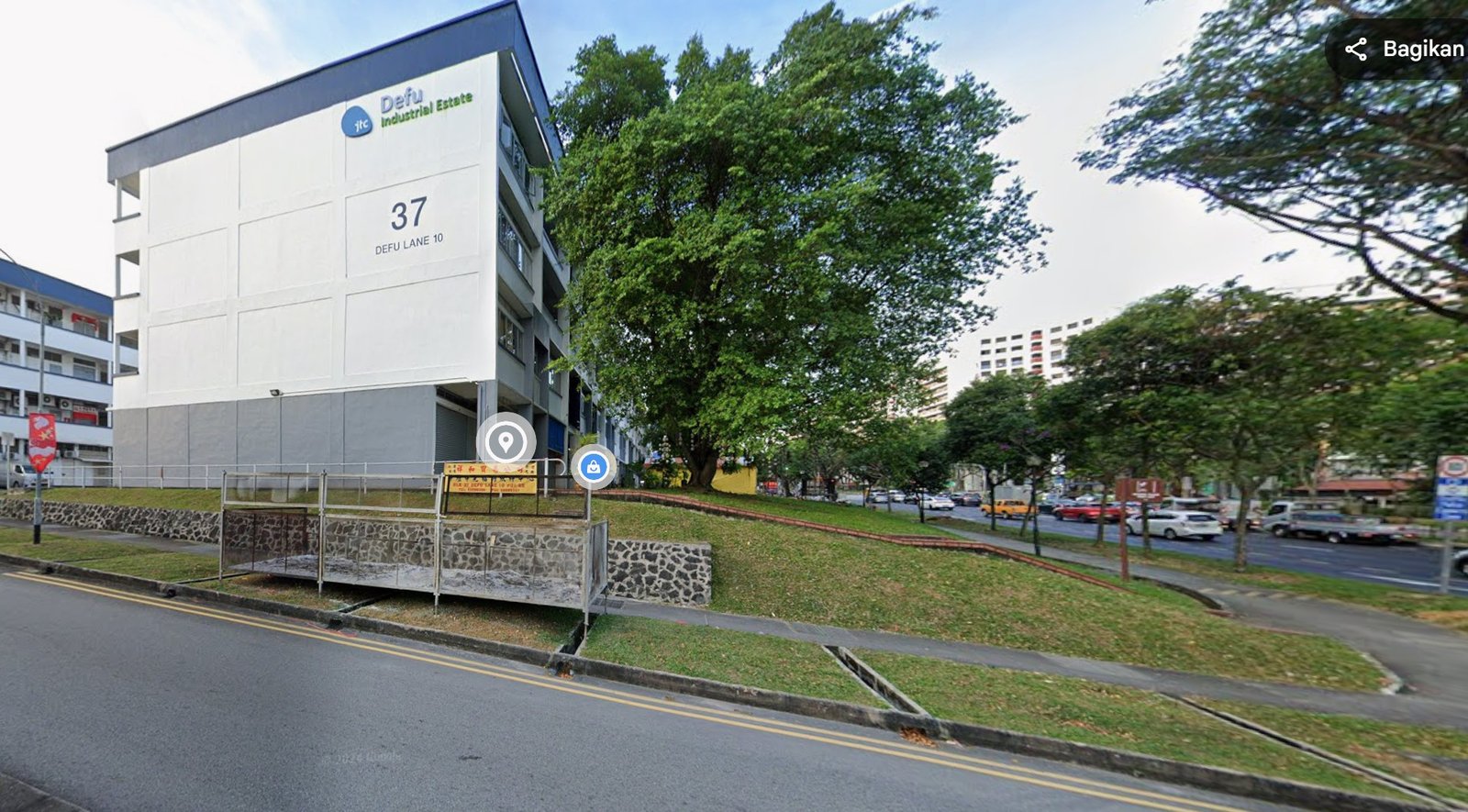
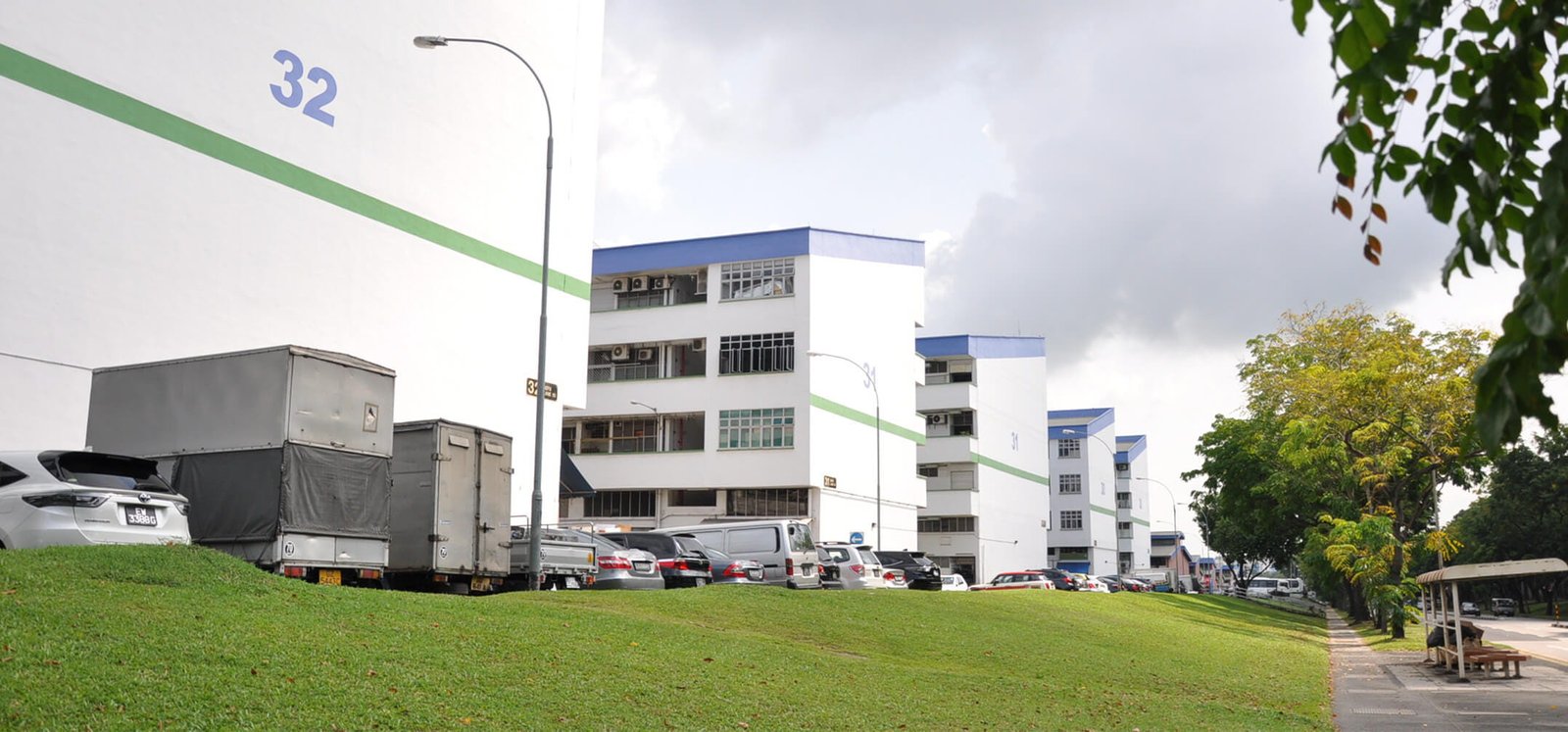
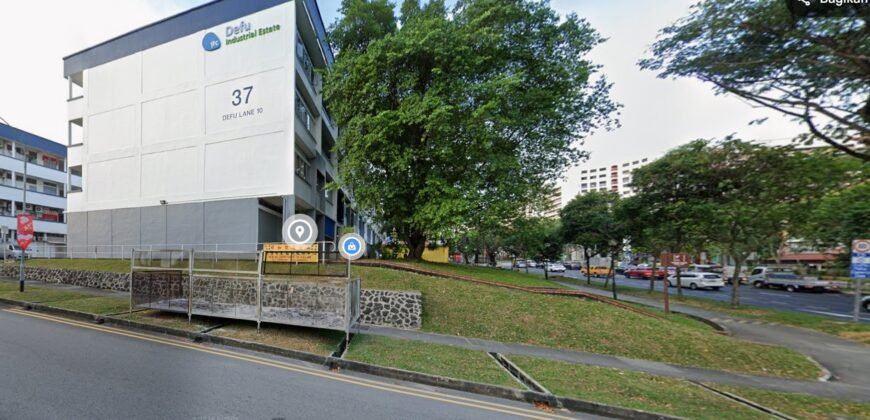
Defu Industrial Estate is undergoing one of Singapore’s most remarkable industrial transformations. For many years it was a typical, gritty industrial area in Hougang, with low‑rise factories and traditional workshops. Today, a walk through the site shows JTC’s large redevelopment plan, “Defu City of Tomorrow,” beginning to materialize. The area is being demolished and rebuilt from scratch into a high‑tech, green hub that will look nothing like the old Defu.
The main part of this change is Defu Industrial City. It is a large, modern complex that looks very different from the old zinc‑roofed buildings. The city is meant to be a one‑stop shop for everything from heavy engineering to high‑tech manufacturing. It also includes a rooftop dormitory and a large “green spine” in the center, giving workers a place to breathe and relax instead of being stuck in a concrete box all day.
I find it fascinating how they prioritize sustainability in the new layout, adding smart infrastructure for waste and energy management. The design is pedestrian‑friendly, with cycling paths and shaded walkways linking the blocks—odd for an industrial park, but sensible.
Defu Industrial Estate shows Singapore’s “never‑stand‑still” approach to land use. It is shifting from the noisy, dusty look of the 1970s and 1980s to a clean, efficient place. It is worth keeping an eye on, especially as the Cross Island Line gets close to finishing. The estate is no longer only an industrial area; it is becoming an important part of the North‑East’s future economy.
Defu Industrial Estate Location
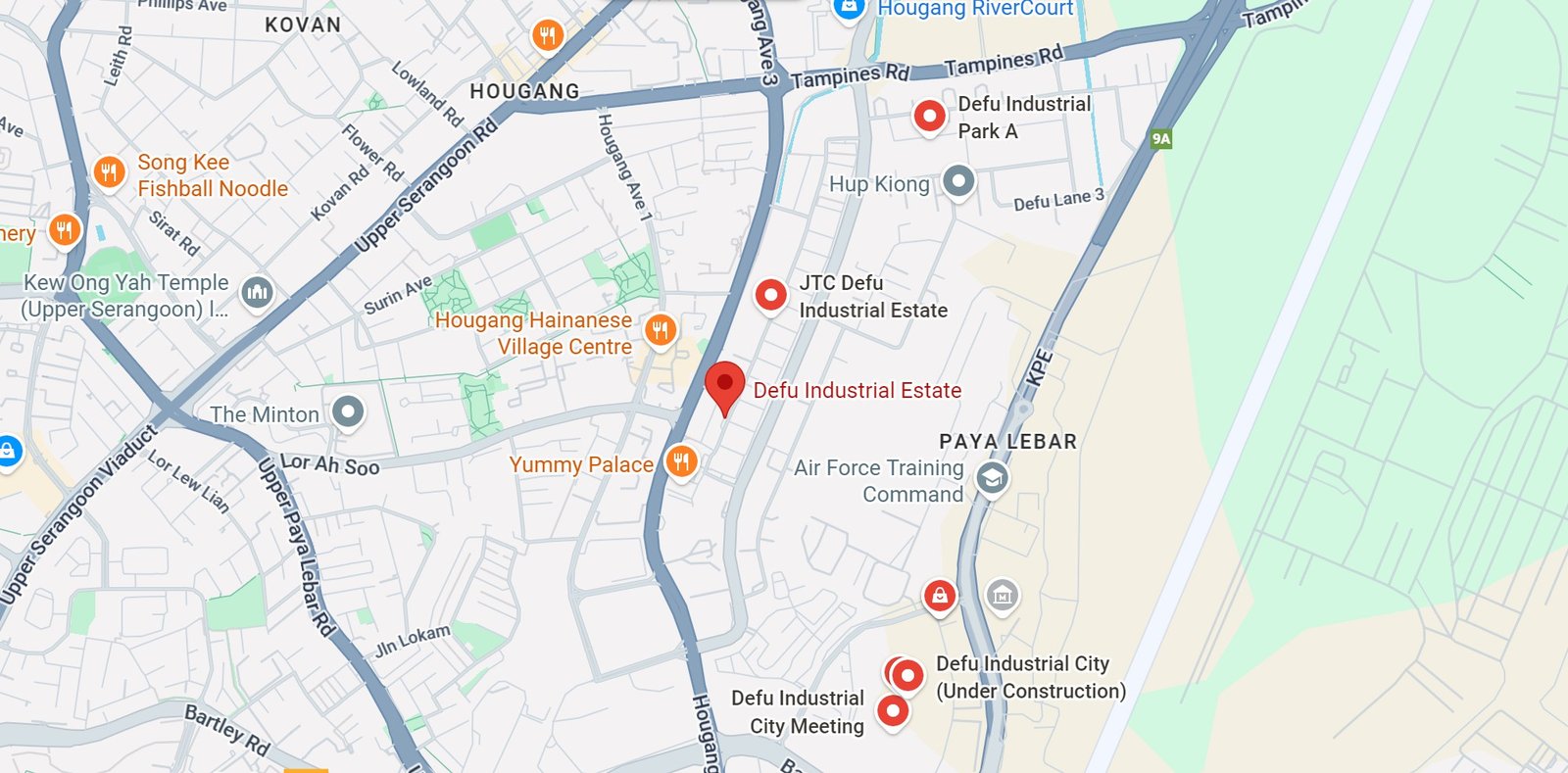
Defu Industrial Estate sits in a key spot in the North‑East, between Hougang and the old Paya Lebar Air Base, beside Tampines Road and Hougang Avenue 3. If you live in that area, you’ve likely driven past its many factories.
What makes this place good for businesses is how fast you can reach the main highways. Being between the KPE and PIE lets a delivery truck get to Changi Airport or the CBD in about 20 minutes, which is very important for logistics and food companies there. It’s close enough that you’re not “out in the sticks,” but still industrial enough to have space to get work done.
The biggest change right now is how easy it is to get there. For a long time, Defu was hard to reach if you didn’t drive—you had to take a bus from Kovan or Hougang MRT and then walk a long way. But with the new Defu MRT station on the Cross Island Line, that will change. It will make the estate much more human‑friendly, so people can hop off the train and be at their desks in minutes, which will be a big relief for everyone who works there.
Defu Industrial Estate Nearby Amenities
The best thing about the new version of Defu Industrial Estate is that it finally moves away from the “concrete jungle” feel. JTC is rebuilding the whole area, and newer places like Defu Industrial City are designed with people in mind. They have added food and beverage outlets, a canteen, and a “green spine” through the center, so you don’t have to leave the estate to find a decent spot to sit and have coffee.
You’re in a great spot for lunch because you’re right next to Hougang and Kovan. A five‑minute drive takes you to Kovan Market & Food Centre, where you can enjoy famous hawker food. If you prefer coffee, the cafés on Upper Serangoon Road are nearby. After work, NEX and The Woodleigh Mall are close, so you can shop for groceries or watch a movie without traveling far. Defu Industrial Estate is very different from its past. It used to be just dusty workshops. Today you can run errands and enjoy breaks without feeling stuck in a factory zone.
End-User and Investor Future-Ready Asset
Defu Industrial Estate is basically the poster child for what happens when an old-school industrial area gets a high-tech “glow-up.” If you are an investor or a business owner, the current focus is on future‑proofing. The industry is moving away from the cluttered, low‑efficiency setups of the 1970s and 1980s toward a clean, smart industrial park.
For investors, the main attraction is the large scale of JTC’s redevelopment. When the government invests heavily in infrastructure—such as the Defu Industrial City and the upcoming Defu MRT station—the land value and rental income in the surrounding area usually rise. Although most of the land here is leasehold, the “future‑ready” aspect comes from its integration into the upcoming Paya Lebar North transformation. You are not just buying into a factory zone; you are buying into a future residential and commercial hub.
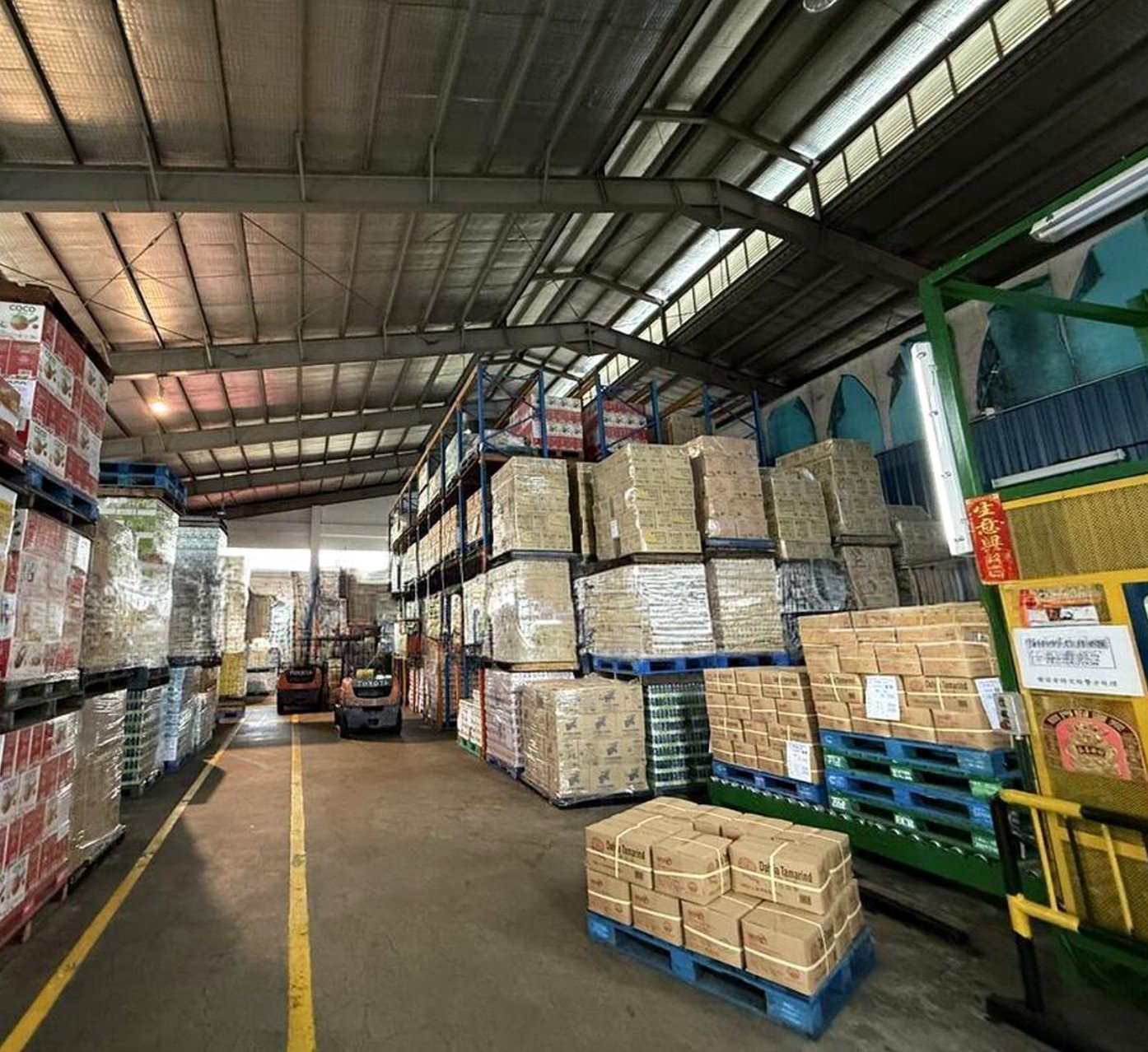
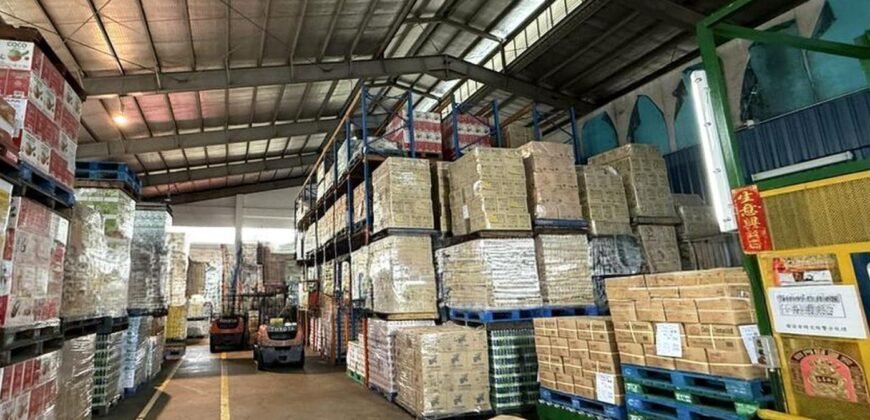
For the companies that use the facilities, the new buildings greatly improve efficiency. The old units in Defu were cramped and hard to automate. The new multi‑user hubs have high floor loads, tall ceilings, and smart logistics systems. This lets a company install high‑tech machinery or automated storage that would not fit in an old workshop. It allows you to expand your technology without moving every five years.
The sustainability angle is another huge plus for businesses. The new Defu is being built with “green” features—think better waste management, energy-efficient cooling, and lots of greenery. For a modern company, being based in a “green” building isn’t just a nice-to-have anymore; it’s often a requirement for their own corporate branding or for meeting certain environmental standards. It makes the space much easier to rent out or sell later on because it already meets the standards of the future.
Connectivity is the other “future” pillar. Having the Cross Island Line right at your doorstep is a big advantage for hiring talent. In the past, it was hard to attract younger, tech‑savvy workers to a “dusty” industrial estate. But a modern, air‑conditioned hub that is only a two‑minute walk from an MRT station makes the business much more appealing. It levels the playing field so a company in Defu can compete for the same talent as a firm in a fancy city office.
Defu Industrial Estate is a “buy-in-early” kind of asset. It’s currently in that middle phase where you can still see the old workshops, but the new towers are rising fast. For those who can see where the neighborhood is heading—especially with the Paya Lebar Air Base relocation eventually entire up the whole area—it’s a strategic move. It’s an asset that’s being designed to stay relevant for the next 30 to 40 years, not just the next five.
Defu Industrial Estate Registration of Interest
Review of Defu Industrial Estate
Defu Industrial Estate For Sale / For Rent

Defu Industrial Estate is a mature industrial hub in Hougang that is currently undergoing a massive, multi-phase redevelopment by JTC to transform it into a modern, green, and high-tech industrial park known as Defu City of Tomorrow.
Product SKU: Defu Industrial Estate
Product Brand: Industrial Property
Product Currency: SGD
Product Price: 15.888.888
Product In-Stock: InStock
Editor's Rating:
5
5
Address
-
Address Defu Industrial Estate
-
Country Singapore
-
Postal code/ZIP 539211
Overview
- Property ID 7244
- Price Price on call
- Property Type B2 Industrial
- Property status For Rent, For Sale
- Year Built 1970
- Project Defu Industrial Estate
- Developer JTC Corporation
- Address 30 Defu Lane 10,Singapura
- Tenure 99-Years Leasehold
Features
Tenure
Get Directions
Contact