

Property ID


Description
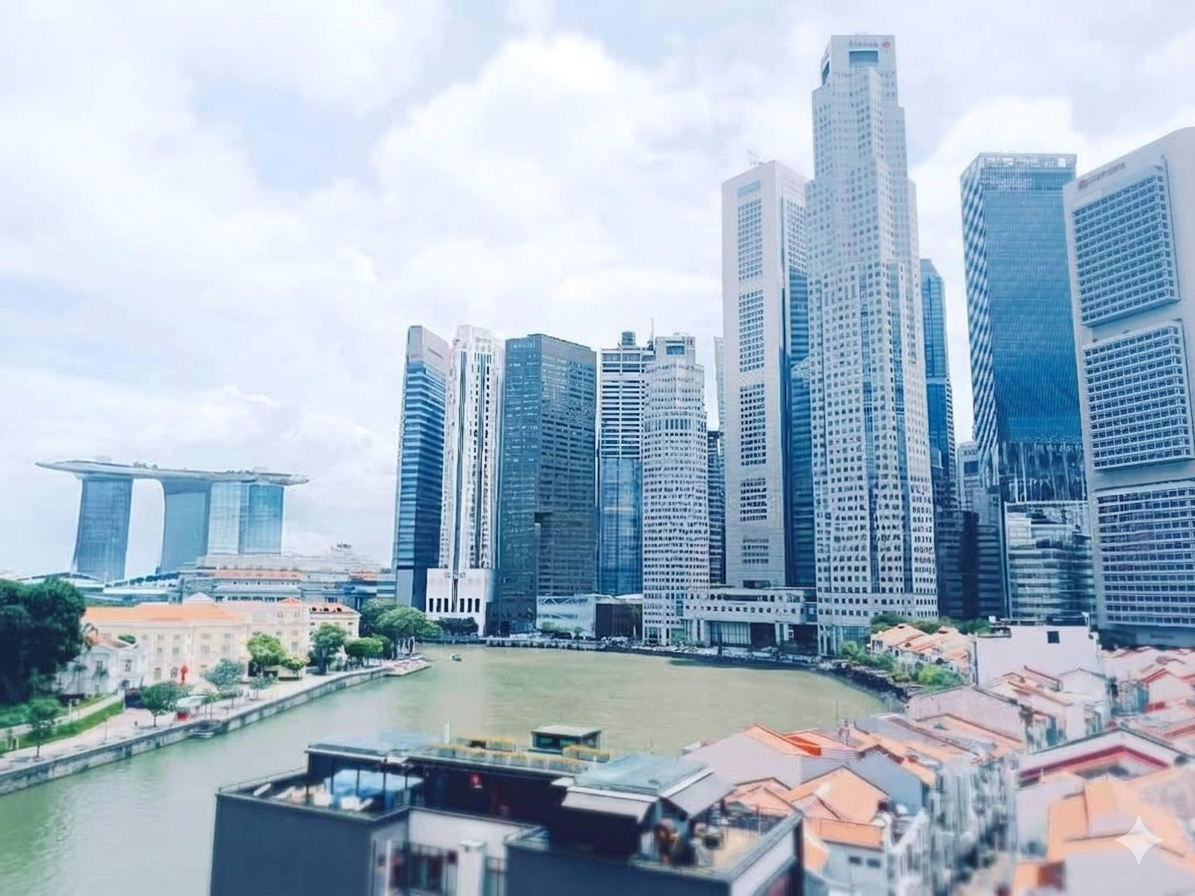
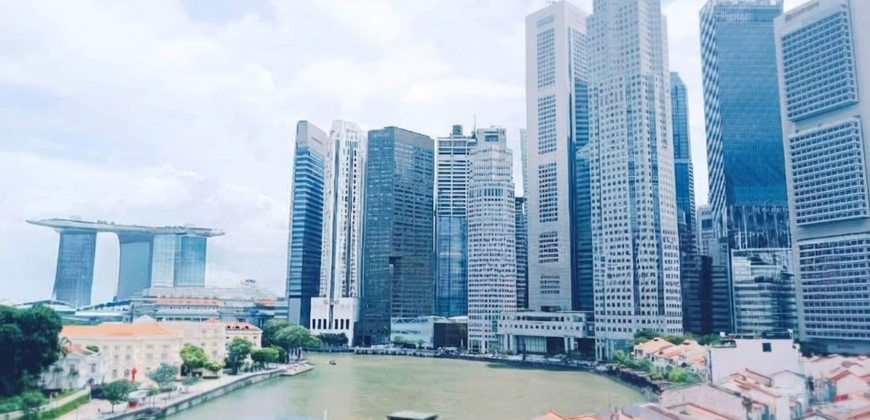
The curve of the Singapore River at Boat Quay feels like a portal back to the 1800s. In those days, this small crescent of land was the engine room for the whole island, managing nearly all the shipping trade coming through the port. It was a gritty, loud place defined by the straining muscles of laborers and the constant thud of bumboats bumping against the stone walls to unload rice and spices. Even with the massive glass towers of the financial district looming right behind them, these low-slung shophouses still hold their ground as a physical reminder of where the city actually started.
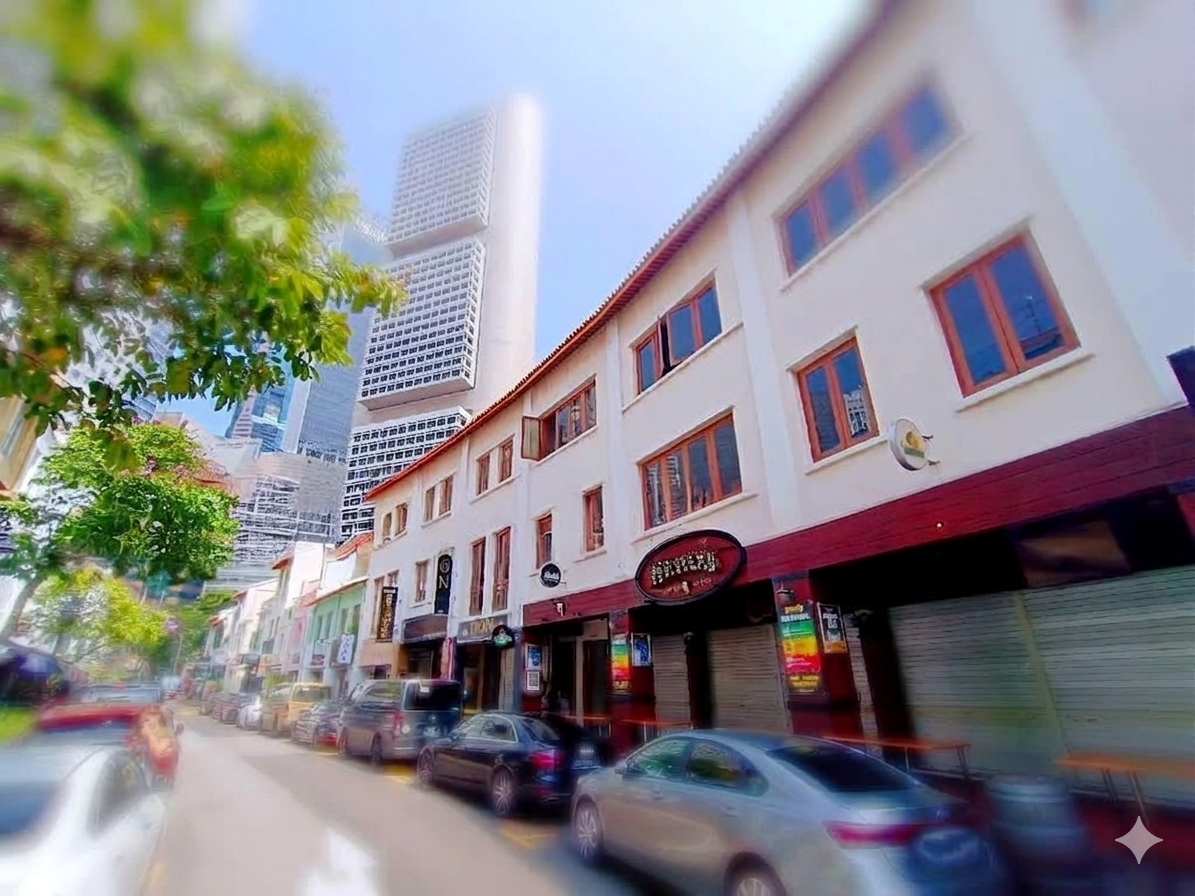
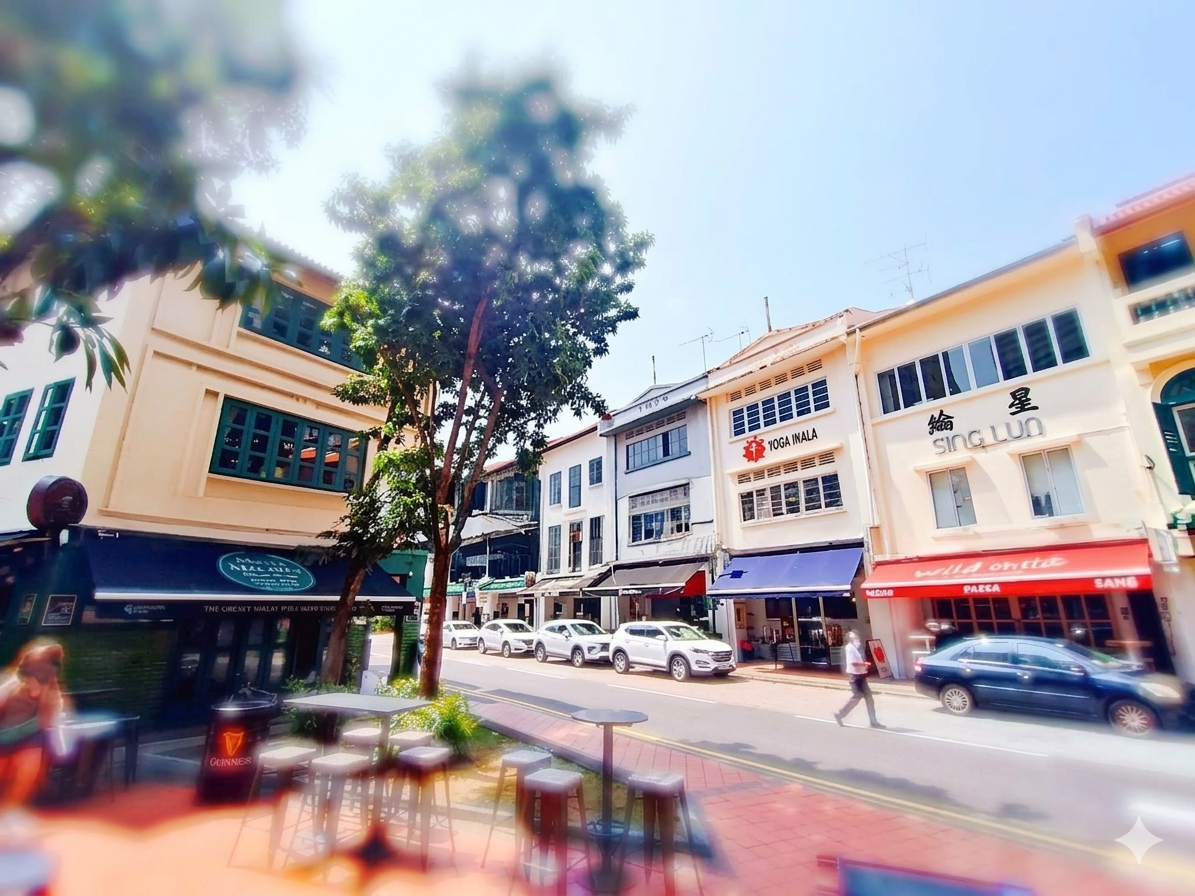
When you look at the buildings, it’s clear they were built for work, not for show. They were clever, multi-use spaces—warehouses or storefronts on the bottom, with living quarters for families and workers squeezed in upstairs. You’ll see the “five-foot ways” everywhere, those narrow covered paths that are a godsend when a tropical downpour hits. If you look at the details on the walls, you can spot a messy, beautiful mix of Chinese, Indian, and European styles, which tells you a lot about the different people who actually built the place from the mud up.
By the 1980s, the world had changed. Shipping moved to the big, modern container ports, and the river was left a polluted mess, with the old shophouses starting to crumble. There was a point where the whole area might have been leveled for skyscrapers, but a conservation push in 1989 stepped in just in time.
Today, Boat Quay has successfully pivoted from a site of manual labor to a center for dining and nightlife. The transition felt natural because the area has always been about commerce and community. Instead of spices and raw materials, the business here is now focused on hospitality, with rows of restaurants and bars lining the waterfront. It remains one of the few spots in the city where you can sit at the water’s edge and feel the massive scale of the modern skyline while sitting within the footprint of the past.
What keeps the area from feeling like a static museum piece is its constant activity. It is still a functional part of the city, even if the nature of the work has changed. You can still see the narrow alleys and the worn stone steps where cargo was once hauled up from the boats. The shophouses have been refreshed with vibrant colors, and while the businesses inside them may come and go, the structural character of the neighborhood stays exactly as it was over a century ago.
Boat Quay Conservation Area Location
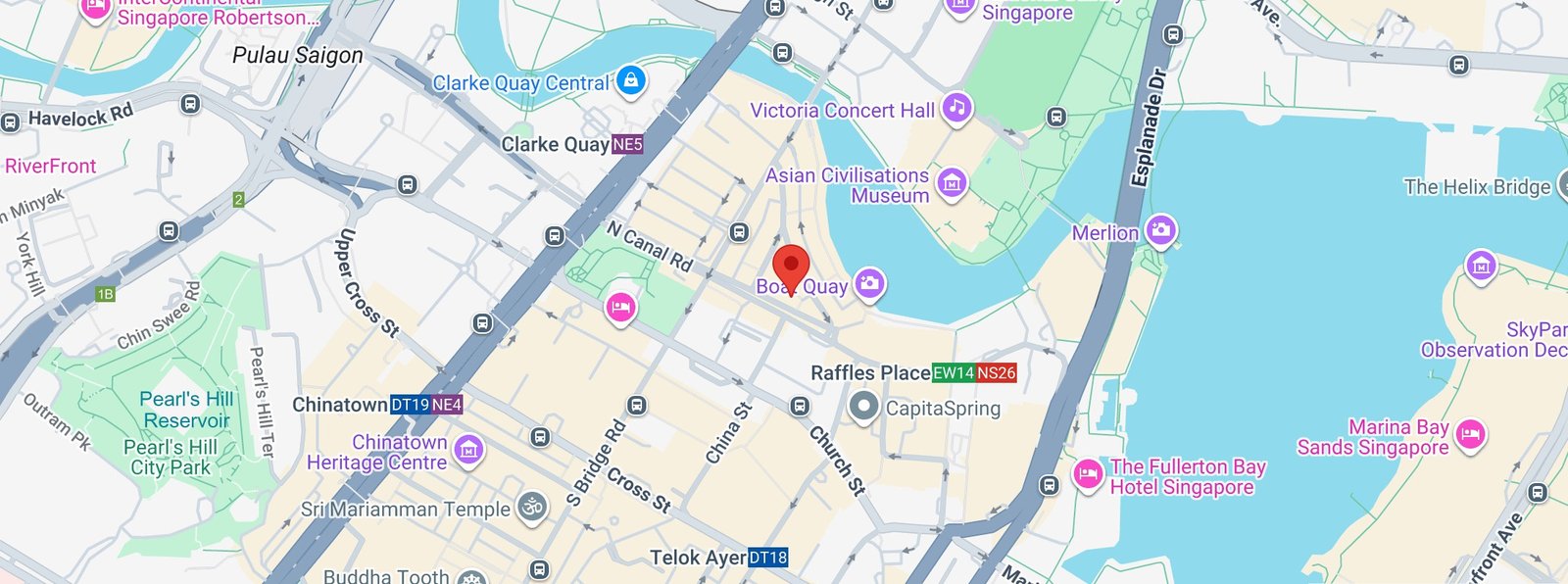
The Boat Quay Conservation Area sits right on the southern curve of the Singapore River, tucked into the heart of the city’s financial district. Local history buffs often call this stretch the “Carp’s Belly” because of its distinctive U-shape, a feature early merchants believed pulled in wealth and good fortune. Today, the area is defined by a mix of narrow streets—including Circular Road, South Bridge Road, and Lorong Telok—stretching from the mouth of the river near the Fullerton Hotel up to Elgin Bridge.
What makes this spot so unique is the visual clash of eras. You have rows of low-rise, pastel-colored shophouses from the 1800s standing directly in the shadow of the massive glass skyscrapers of Raffles Place. If you look across the water to the north, you can see the grand colonial architecture of the Civic District, while a short walk to the east brings you to the famous Merlion Park.
Getting there is easy since it’s one of the most connected spots in the city. Most people hop off at the Raffles Place MRT station and take the short walk to the riverfront, though you can also arrive from the Clarke Quay side. For a more scenic entrance, you can even take a traditional bumboat and pull up to the same jetties that workers used to unload cargo from over a century ago.
Boat Quay Conservation Area Nearby Amenities
Living in or visiting Boat Quay means you’re basically at the heart of everything Singapore has to offer. Since it sits right between the bustling financial district and the historic Civic District, the amenities here are a unique mix of high-end corporate services and laid-back leisure spots. The riverfront itself is the main draw, lined with an endless stretch of seafood spots, traditional Irish pubs like Molly Malone’s, and plenty of international dining. Just a street back on Circular Road, the vibe shifts slightly toward the after-work crowd, packed with ramen shops, hidden speakeasies, and craft beer bars.
For shopping and everyday essentials, you aren’t just limited to the small boutiques in the shophouses. A five-minute walk gets you to Funan, a massive lifestyle mall with everything from tech shops to an indoor climbing wall, or Clarke Quay Central, which houses a Don Don Donki supermarket for quick grocery runs. If you need a break from the city’s glass and steel, the Singapore River promenade is a great spot for a morning run. It connects directly to the lush, hilly trails of Fort Canning Park, providing a much-needed green escape in the middle of the CBD.
The convenience factor here is hard to beat. Raffles Place MRT is just a short stroll away, giving you a direct line to almost anywhere on the island. The area is also dotted with boutique fitness studios, upscale hotels like The Fullerton, and modern coworking spaces that have breathed new life into the upper floors of these heritage buildings. It’s one of those rare places where you can finish a workout, hit a world-class office, and grab a riverside dinner all within the same few blocks.
End-User and Investor Future-Ready Asset
Owning or operating a business in the Boat Quay Conservation Area offers a rare blend of historic charm and high‑yield potential. For entrepreneurs, these shophouses serve as a powerful branding asset that modern glass‑and‑steel offices simply can’t match, delivering a prestigious “work‑live‑play” ambience. The flexible multi‑storey layout accommodates ground‑floor retail or dining alongside boutique offices or wellness studios above, all while capitalising on the heavy footfall of the Central Business District.
From an investor’s viewpoint, these properties are essentially “landed property in the sky” because of their extreme scarcity. Since no new 19th‑century shophouses will ever be constructed, the limited supply establishes a natural floor for asset values, protecting owners from the supply gluts that frequently afflict the modern commercial market. Moreover, as commercial assets they usually avoid Additional Buyer’s Stamp Duty (ABSD), making them a resilient and appealing option for wealth preservation in a prime District 1 locale.
What truly makes these assets future‑ready is their capacity to modernise while preserving their essence. Integrating 21st‑century technologies—such as smart building systems and high‑speed fibre—into these vintage shells is surprisingly straightforward, enabling them to meet contemporary sustainability standards. As urban trends move toward more human‑centred, integrated environments, Boat Quay’s blend of waterfront vistas and central convenience guarantees that it will remain a premium, highly sought‑after asset for many years to come.
Boat Quay Conservation Area Registration of Interest
Review of Boat Quay Conservation Area
Boat Quay Conservation Area - Industrial Property

Boat Quay Conservation Area is a historic riverfront district defined by its iconic rows of two- and three-storey shophouses that once served as the heart of Singapore’s maritime trade.
Product SKU: Boat Quay Conservation Area
Product Brand: Industrial Property
Product Currency: SGD
Product Price: 15.999.999 - 50.000.000
Product In-Stock: InStock
Editor's Rating:
5
5
Address
-
Address Boat Quay Conservation Area
-
Country Singapore
-
Postal code/ZIP 049851
Overview
- Property ID 6329
- Price Price on call
- Property Type Shop/Shophouse
- Property status For Rent, For Sale
- Year Built 1989
- Project Boat Quay Conservation Area
- Developer N.A
- Address along Boat Quay and Circular Road Singapore
- Tenure 999 Years Leasehold
Features
Tenure
Get Directions
Contact