
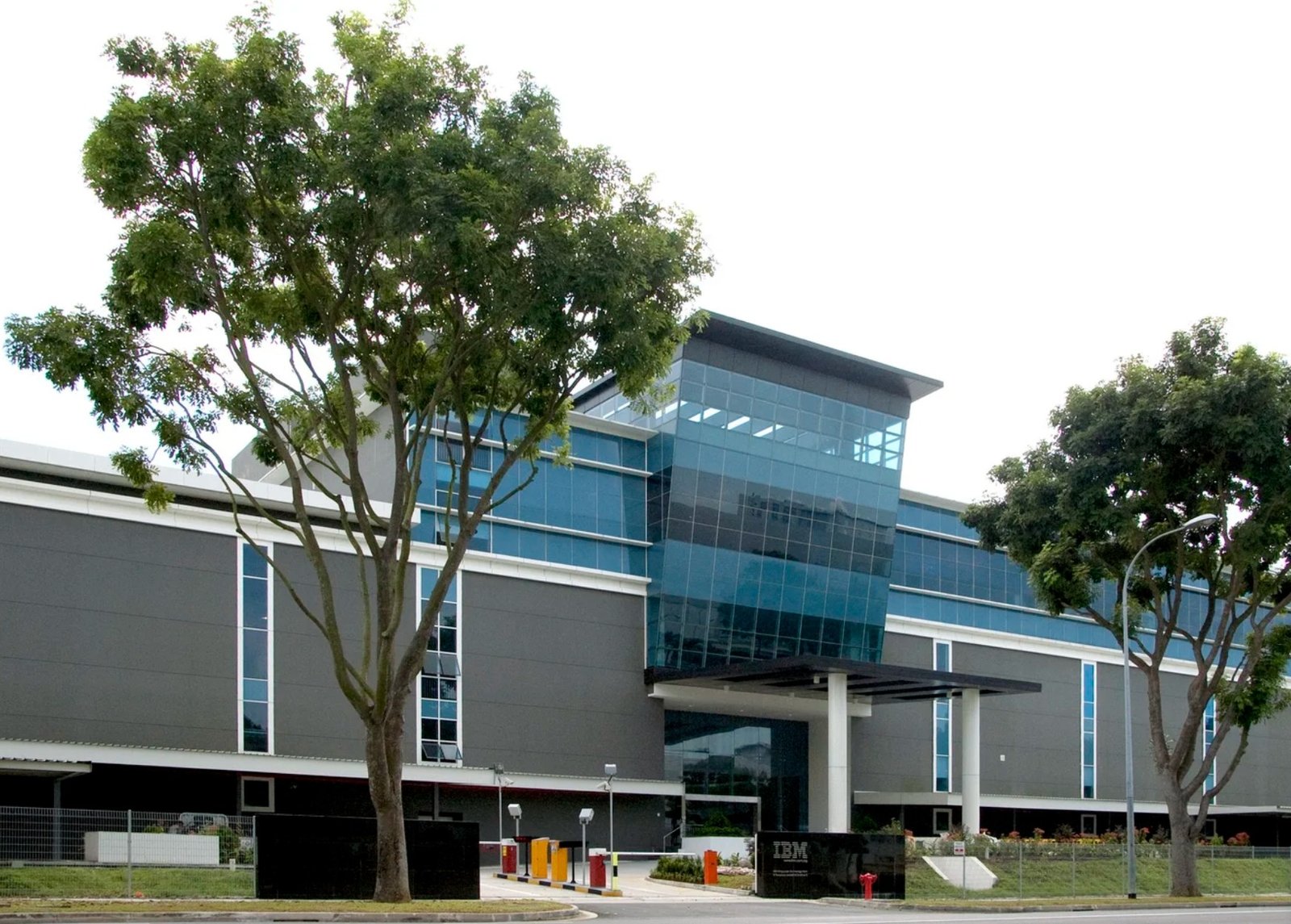
As we move into 2026, the global economic narrative is increasingly defined by volatility and shifting trade alliances. For Singapore, a nation whose heartbeat is tied to international commerce, the question of whether its industrial property market can truly withstand a recession has never been more relevant. While traditional retail and office sectors often buckle under the weight of shrinking consumer spend and corporate downsizing, the industrial sector has historically displayed a unique form of “anti-fragility.” This resilience isn’t just luck; it is the result of a deliberate, decade-long pivot toward high-specification assets that are essential to the modern economy, regardless of the broader market’s temperature.
The “secret sauce” behind this stability lies in the shift from simple storage to complex functionality. Today’s industrial landscape is dominated by Business 1 (B1) and Business 2 (B2) zones that house everything from advanced manufacturing to R&D labs and high-stakes data centers. Unlike a standard retail shop, these facilities represent a massive capital investment for the tenant. Once a biomedical firm or a semiconductor manufacturer installs millions of dollars in specialized equipment and cleanroom technology, they become “sticky.” The high cost of relocation creates a natural floor for occupancy rates, providing a buffer that protects landlords from the sudden vacancies typically seen during economic downturns.
Another critical factor is the explosion of the “New Economy” infrastructure. The demand for data centers and cold-chain logistics—sectors that are fundamentally driven by the digital habits of society rather than cyclical wealth—continues to outpace supply. Even as interest rates fluctuated throughout late 2025, the appetite for these assets remained voracious. In Singapore’s land-scarce environment, the government’s tight control over the industrial land sales program ensures that we rarely see the kind of speculative oversupply that crashes markets elsewhere. This controlled pipeline keeps the supply-demand balance in a state of healthy tension, supporting rental growth even when the GDP forecast looks modest.
Sustainability has also emerged as a powerful defensive moat for industrial properties. As the Singapore Green Plan 2030 gains momentum, buildings with “green” credentials—like Lok Yang Connection. Multinational corporations are now under strict ESG mandates, meaning they can only occupy spaces that meet specific carbon-neutral standards. This “flight to quality” ensures that modern, sustainable industrial hubs remain at 90% occupancy while older, less efficient legacy warehouses struggle, effectively creating a “recession-proof” sub-market for forward-thinking developers.
However, the market is not entirely immune to global friction. In late 2025, we saw a slight tempering of growth in traditional manufacturing as trade tariffs and geopolitical shifts forced some firms to adopt a “wait-and-see” approach. Business parks in suburban locations have also faced a more uneven recovery compared to city-fringe assets. Yet, even in these softer segments, the vacancy rates remain significantly lower than in many global cities. The resilience of the Singapore industrial market is built on its ability to evolve; it is no longer just a place to store goods, but a mission-critical component of the global supply chain that the world simply cannot switch off.
Ultimately, while no market is 100% “recession-proof,” Singapore’s industrial sector is perhaps the closest thing to a safe haven in the real estate world. Its strength is rooted in a trifecta of limited land, high-value tenant investment, and a strategic alignment with the future of technology and logistics. For investors, the lesson of 2026 is clear: the most stable returns are found where the physical world meets the digital one. As long as Singapore remains the “Global Gateway,” the roofs over its factories and warehouses will likely remain some of the most valuable real estate on the planet.

