
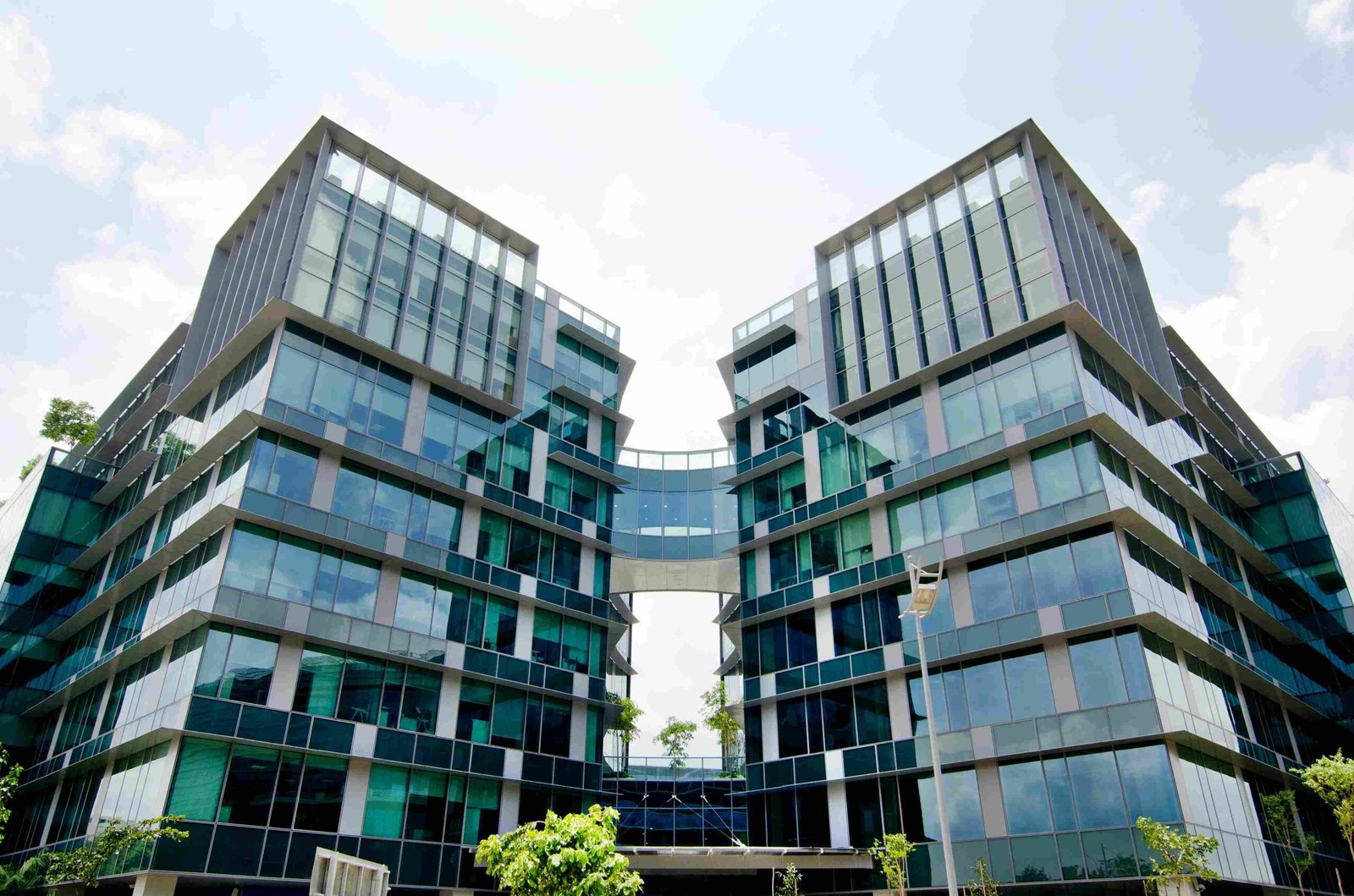
Nearly half of organisations are now directing capital into workplace upgrades as companies reassess how their physical environments support productivity, culture, and long-term growth. While hybrid work remains common, the office is regaining importance as a hub for collaboration and team alignment. This shift is not limited to corporate headquarters—industrial property users are also rethinking how their facilities can be redesigned to improve efficiency and employee experience.
A key reason for the surge in investment is the growing preference for flexible, human-centric spaces. Companies are moving away from rigid layouts and instead creating collaborative zones, wellness-focused areas, and technology-enabled workstations. This trend has spilled into industrial properties, where occupiers are upgrading ancillary office spaces, adding better rest areas, and improving workflow planning within warehouses and production floors. Many modern industrial buildings now feature dual-purpose spaces that blend operational needs with improved day-to-day comfort for staff.
Sustainability has also become a major driver of workplace enhancements. Organisations are adopting energy-efficient lighting, smart cooling systems, and green-certified materials to reduce long-term operating costs and meet ESG commitments. Within the industrial property segment, retrofitting efforts are gaining traction as landlords and occupiers upgrade older assets to achieve green certifications and align with Singapore’s environmental standards. These improvements not only enhance sustainability performance but also increase asset appeal in a competitive leasing market.
Technology investments are accelerating as well, with companies deploying digital tools to make workplaces more responsive and efficient. Smart sensors, automated access control, and occupancy analytics are becoming common in office settings. Industrial properties are experiencing similar upgrades, particularly as tenants adopt automation, IoT monitoring systems, and integrated logistics technology. These enhancements help streamline operations, improve safety, and ensure facilities remain adaptable to evolving business demands.
Looking ahead, workplace investment—across both office and industrial properties—is expected to stay strong as companies compete for talent and operational excellence. Upgraded spaces that blend functionality, comfort, and sustainability are increasingly viewed as strategic advantages rather than discretionary expenses. With nearly half of organisations actively improving their facilities, the momentum signals a long-term shift toward more modern, resilient, and employee-centric workplaces throughout Singapore’s commercial and industrial landscape.

