
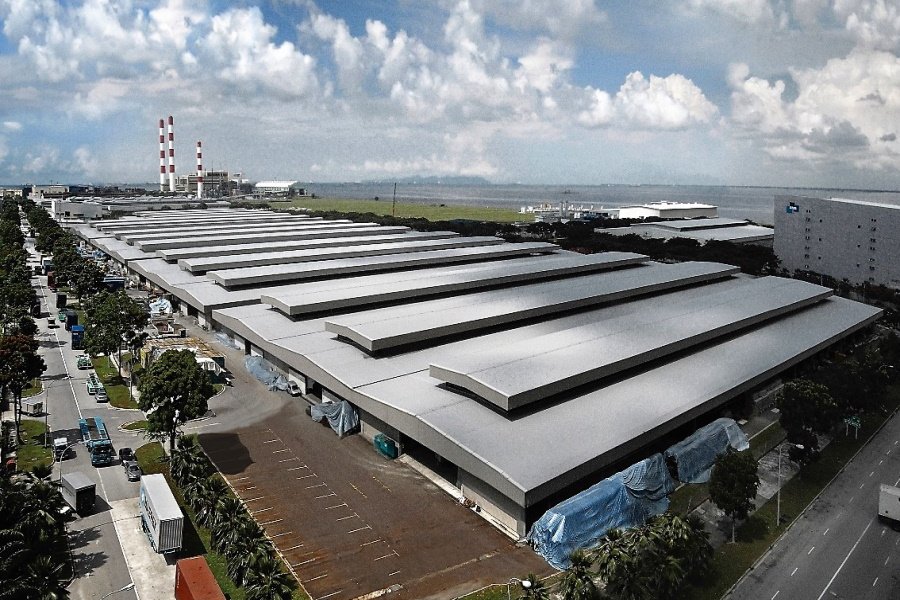
Singapore’s industrial property market is entering a new chapter, shaped by shifting global supply chains and rising demand for modern, high-spec facilities. Over the past few years, industrial spaces have evolved from simple warehousing units into sophisticated hubs designed for advanced manufacturing, food production, logistics automation and research-driven industries. Investors and occupiers alike are now watching closely, trying to understand how these trends will play out over the next decade—and what opportunities they may unlock.
One of the clearest drivers shaping the future is the rapid adoption of automation and technology across multiple sectors. From robotics-enabled warehouses to climate-controlled food factories, businesses increasingly require industrial spaces that support digitalisation and efficient production workflows. This shift is expected to push developers toward smarter, greener and more space-efficient designs. As a result, older stock may face pressure unless they undergo major upgrading or conversion to meet modern operational needs.
At the same time, Singapore’s strategic position as a trusted regional hub continues to draw multinational companies looking for stability and reliability. Supply chain disruptions in recent years have highlighted the importance of resilient networks, and many firms are diversifying operations closer to Southeast Asia. This trend could further fuel demand for high-quality logistics and manufacturing facilities, particularly in established clusters such as Jurong, Tuas, Kallang Way and Woodlands North Coast.
Government planning will also play a pivotal role in shaping the industrial landscape of the next decade. Policies encouraging sustainable operations, energy-efficient buildings and land optimisation will guide the direction of new developments. Initiatives such as the push for advanced manufacturing, food resilience, and green energy transition are expected to influence what types of industrial spaces are prioritised. These long-term strategies suggest that demand will rise for properties that can support clean-tech, biotech and precision engineering sectors.
Looking ahead, investors remain cautiously optimistic, recognising that industrial property continues to outperform many other real estate segments. While rental growth may stabilise in the short term, the long-run outlook remains positive, supported by structural demand and limited land supply. Ultimately, the next decade for Singapore’s industrial property market will be defined by innovation, sustainability and the constant evolution of business needs—creating opportunities for both developers and occupiers who are ready to adapt.

