
Singapore’s property market has shown great strength despite global economic worries. Unlike other markets, Singapore’s property prices keep going up.
The current situation suggests the market will stay strong. This is thanks to demand in areas like commercial real estate. Singapore’s strategic location and economic stability will likely help its property market.
Looking to 2026, the question is whether the market will keep growing or slow down. Government policies, economic trends, and demand for industrial property will be key. They will decide the market’s future.
Overview of Singapore’s Current Property Landscape
Singapore’s property scene is changing fast, with both ups and downs ahead. The city is moving into a new phase, shaped by the economy and rules from the government.
The need for industrial property in Singapore is strong. This is because of online shopping and the need for better logistics spaces. Investors are looking to buy industrial properties to make money.
Things like interest rates and the economy affect the property market a lot. The government has put in place rules to keep things balanced. These rules can make industrial property more appealing to investors.
Changes in people and technology also shape the property market. With more people working from home, there’s a growing need for spaces that support flexible work.
It’s important to understand the current property scene for investors and others. By looking at government policies and economic trends, we can guess what will happen next in industrial property.
The Role of Industrial Property in Singapore’s Economy
Industrial property development is crucial for Singapore’s economy. The government works hard to keep the market balanced. It does this by managing both demand and supply.
This strategy is vital for the industrial sector. Areas like Jurong Town and Changi Business Park are key. They attract big businesses and investments.
Industrial property is important for many reasons. It offers space for making things and moving goods. It also boosts innovation and growth.
The government makes sure there’s enough industrial land. This helps businesses grow. It also keeps the market balanced.
This balance is key for Singapore’s economy. It helps the country grow and attract investors. Being a global business hub, industrial property is essential.
The industrial property market in Singapore is strong. It can handle global economic ups and downs. This is thanks to the government’s smart planning and Singapore’s welcoming business environment.
Historical Trends in Singapore’s Property Market
Looking at Singapore’s property market history gives us clues about its future. The private residential market, including condos, apartments, and houses, is changing. This change comes from past market ups and downs.
Singapore’s property market has grown a lot, with some slowdowns. The industrial sector is key to the country’s growth. Demand for industrial space mirrors the economy’s health.
Government policies, the economy, and tech have shaped industrial property trends in Singapore. E-commerce growth has boosted demand for logistics and warehouses. This has spurred industrial property growth.
Knowing these trends helps investors, developers, and policymakers. By studying past cycles and influences, they can make better choices. This includes deciding on investments and policies.
As Singapore’s property market keeps changing, past trends will still guide it. The mix of residential, commercial, and industrial properties will shape its future.
Predictions for 2026: What Experts Say
Experts in Singapore’s property market are cautiously optimistic for 2026. Big real estate agencies and banks have shared their views on home price growth in 2025. They all agree on a moderate increase.
The industrial property sector is seen as strong. This is because of the rise in e-commerce and logistics. These sectors need modern, well-located facilities.
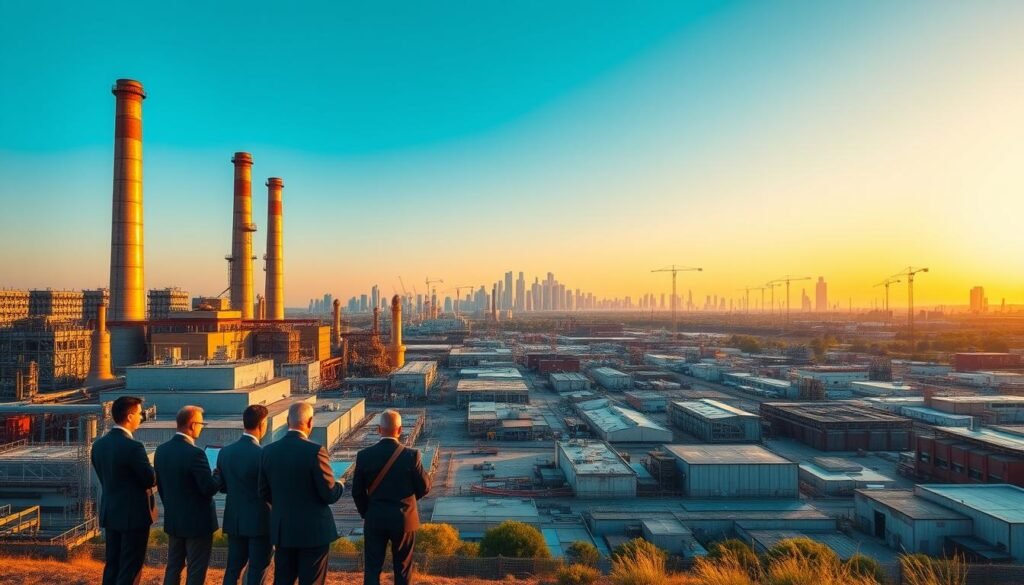
Accurate industrial property valuation is key in 2026. With possible interest rate changes and economic ups and downs, precise valuations are vital. They help investors and developers make smart choices.
Key Trends to Watch
Several trends will shape the property market in 2026. The industrial sector will grow, thanks to tech and green development.
Experts advise investors and developers to keep up with trends and forecasts. This way, they can make well-informed decisions.
Potential Challenges Facing the Market
Looking ahead to 2026, the Singapore property market will face many challenges. These challenges could change the market’s path. The next two years will see a mix of strong, yet opposing, forces at play.
One big challenge is the risk of an economic downturn. Such downturns can deeply affect commercial real estate. They can lower occupancy rates and rental yields. Managing industrial properties well will be key to overcoming these hurdles.
Supply chain disruptions are another major risk. The COVID-19 pandemic showed how fragile global supply chains are. Singapore, a key logistics and manufacturing center, is very vulnerable. Good industrial property management can help by making supply chains more flexible and resilient.
Regulatory changes and global economic trends also play a role. These can change demand for homes and commercial spaces. This affects the whole market.
In summary, the Singapore property market in 2026 will face a mix of challenges and opportunities. It’s important for everyone to understand these dynamics. This knowledge will help make better decisions in commercial real estate and industrial property management.
The Impact of Global Trends on Singapore’s Property
Global trends shape Singapore’s property scene, affecting investments and development strategies. The health of the economy, both locally and globally, impacts property market performance. This connection is key to understanding the market.
International markets significantly influence Singapore’s property sector. Changes in global trade policies can alter industrial property demand. Technological advancements, like smart buildings and digital transactions, also shape the market.
Singapore’s role as a financial hub makes it vulnerable to global economic shifts. International investors see Singapore as a safe investment spot. This drives demand for various properties, including industrial ones, boosting the market.
Technological Advancements and Their Impact
Technological progress affects Singapore’s property market. E-commerce growth boosts demand for logistics and warehousing. This change prompts developers to focus on meeting business needs through industrial property development.
Technology also improves property transactions and management. This trend will likely continue, changing how properties are handled in Singapore.
In conclusion, global trends deeply impact Singapore’s property market. They influence investments and development in industrial properties. Understanding these trends is vital for making informed decisions in the market.
Sustainable Development and Industrial Property
The industrial property market in Singapore is changing thanks to the government’s green efforts. The goal is to reach net-zero emissions by 2050. The carbon tax will increase, affecting the industrial property sector.
This change will push for more green buildings and eco-friendly practices. It’s a big step towards a sustainable future.
Green buildings are now key in Singapore’s industrial property scene. The Building and Construction Authority (BCA) has launched the Green Mark Scheme. It rates buildings on their green credentials.
Developers are now building green spaces. These not only help the environment but also save money in the long run.
The move towards sustainability is also changing leasing trends. Tenants want properties that are good for the planet. This demand for green spaces is growing.
It’s clear that sustainable and tech-savvy facilities are in high demand. As Singapore aims for a greener future, the industrial sector will be crucial.
In summary, sustainable development is a major force in Singapore’s industrial property market. The government’s efforts to cut carbon emissions will drive innovation and green practices in the sector.
The Influence of Foreign Investment
Singapore is a key financial center, drawing a lot of foreign investment. This investment shapes the property market. The government has put in place cooling measures, like the Additional Buyer’s Stamp Duty (ABSD). These measures ensure local Singaporeans and Permanent Residents (PRs) drive demand.
Even with these measures, foreign investment remains important in Singapore’s property market. The demand for industrial property is growing. This is due to the rise of e-commerce and logistics. Foreign investors are drawn to Singapore’s location, infrastructure, and business-friendly environment.

Industrial property valuation has gone up. This is a key factor for investors and developers. The increase is due to foreign investment and the market’s health.
Government rules have a big impact on foreign investment in Singapore’s property market. While measures like ABSD cool the residential market, they also affect overall investment. Foreign investors need to understand these rules, which are crucial for industrial property investments.
Foreign investment influences Singapore’s property market in many ways. It brings in capital and expertise, helping the property sector grow. But it also increases competition and can cause market swings. As Singapore moves towards 2026, it’s important to grasp the role of foreign investment.
Local Demographics and Property Demand
Local demographics shape the property market in Singapore. The country’s population growth, age distribution, and urbanization trends affect property demand. This includes commercial real estate and industrial properties.
By 2030, one in four Singaporeans will be 65 or older. Policymakers must address this “silver tsunami.” It will change the demand for different properties. For example, there might be more need for age-friendly housing and healthcare.
The urbanization trend in Singapore also impacts property demand. More people moving to cities for jobs will increase demand for commercial spaces. Effective management of industrial properties is key to supporting business growth.
Population growth means more housing and infrastructure needs. This growth will drive demand for various properties. Understanding these trends is vital for investors, developers, and policymakers.
In conclusion, local demographics greatly influence property demand in Singapore. By understanding these changes, the property market can better meet the evolving population’s needs.
Financing Options for Property Investors
Finding the right financing is key for property investors in Singapore’s booming real estate. There are many financing paths to explore. Investors must carefully choose the best one for their industrial property plans.
Bank loans are a common choice. They offer good interest rates and clear payment plans. But, they need a big down payment and a strong credit score. The Total Debt Servicing Ratio (TDSR) helps keep borrowing in check, preventing too much debt.
Private lending and crowdfunding are also popular. They offer flexible terms and quick approval. Yet, they might have higher costs and fees, making them pricier for projects.
Government rules, like the TDSR, shape the financing world for investors. These rules help avoid market bubbles and support steady growth. Investors must think about these rules when planning their finances.
In summary, Singapore offers many financing choices for property investors. From bank loans to alternative options, each has its pros and cons. Understanding government rules and weighing costs and benefits is vital for smart investment decisions in the industrial property sector.
Policy Changes and Their Future Implications
Policy changes are set to deeply affect Singapore’s industrial property leasing and market trends. The Urban Redevelopment Authority’s (URA) Draft Master Plan 2025 is a detailed blueprint for the next 10 to 15 years. It outlines the government’s vision for the country’s future.
This plan is vital as it shapes Singapore’s physical development and the property market’s path. The Draft Master Plan 2025 will cover housing, industrial, and commercial developments. This will impact industrial property leasing.
The Draft Master Plan focuses on sustainable development. It aims to add green spaces and encourage eco-friendly buildings. This move could boost demand for green properties in the industrial market.
Also, the plan’s policy changes may alter the industrial property leasing market. For example, redeveloping industrial areas could create modern facilities. These could attract businesses seeking advanced infrastructure.
Implications for Investors and Developers
The policy changes in the Draft Master Plan 2025 will greatly affect investors and developers. It’s essential for them to understand these changes to make smart property market decisions.
Investors and developers must keep up with the Draft Master Plan’s developments. They might need to adapt to new rules, explore sustainable development, and navigate the evolving industrial property leasing scene.
Conclusion: The Future of Singapore’s Property Market
Singapore’s property market is changing fast. It’s important for investors and businesses to understand industrial property well. The need for industrial property to rent will keep growing, thanks to e-commerce and logistics.
Getting the right value for industrial property is key. With careful planning and patience, investors can find great opportunities in real estate. They can also handle the market’s challenges.
Keeping up with market trends and expert forecasts is crucial. This helps stakeholders make smart choices for success in Singapore’s property market. Looking ahead to 2026, being proactive is vital to seize new chances.

