
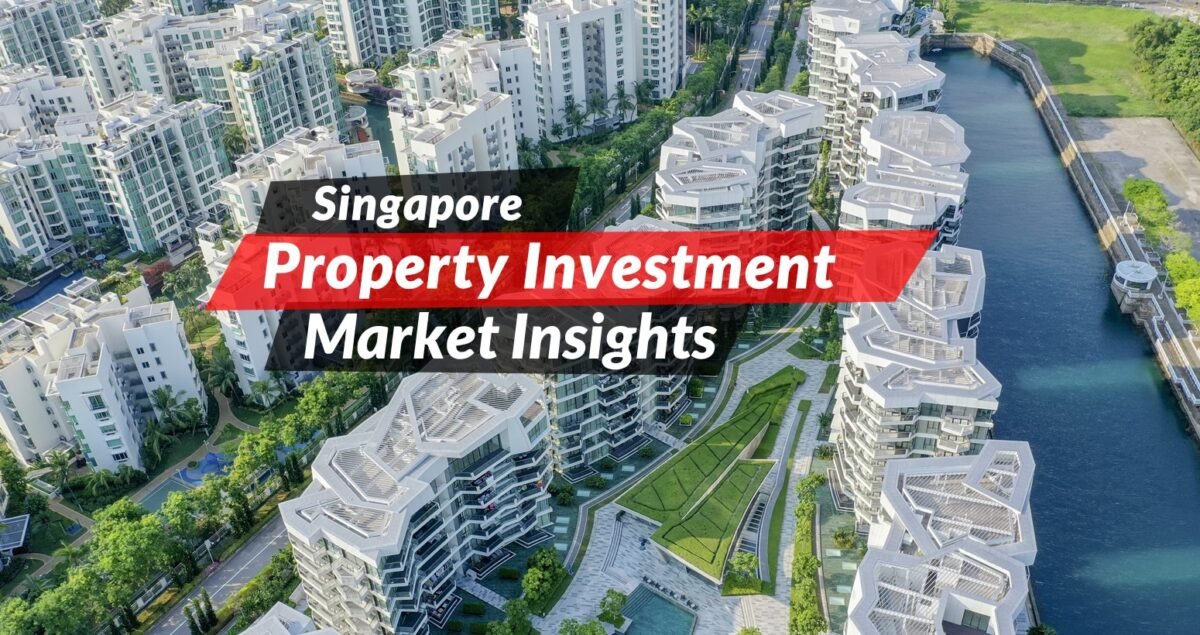
After a quiet stretch earlier in the year, Singapore’s real estate investment scene is showing fresh signs of life. Buyers and institutional investors are returning, and momentum is clearly building across the market. Analysts now expect full-year investment sales to reach around $30 billion — a solid rebound that has the industrial property sector playing a major role in the revival.
Industrial assets have quietly become the star performers of Singapore’s real estate landscape. As manufacturing, logistics, and food production continue to expand, demand for high-quality industrial spaces has risen sharply. These properties now represent not just operational spaces for businesses but also stable, income-generating assets for investors looking for dependable returns. In a climate where residential and office investments have been more unpredictable, industrial properties offer a reassuring mix of security and growth potential.
Several large-scale deals in recent months have highlighted this shift in investor preference. Developers and funds are actively seeking industrial opportunities — from logistics hubs and food production facilities to high-spec industrial buildings that serve technology-driven industries. The growth of e-commerce has further intensified demand, especially for strategically located warehouses and last-mile distribution centers that support Singapore’s role as a regional logistics hub.
Unlike other property sectors, industrial assets benefit from long-term structural trends rather than short-term market cycles. The rise of automation, clean energy, and digital infrastructure has created new categories of industrial real estate such as data centers and smart warehouses. These properties are essential to supporting business operations in today’s fast-changing economy. For investors, that means consistent occupancy rates and a tenant base made up of growth-oriented companies — two factors that enhance stability and long-term value.
The government’s continued support for industrial development has also been a major confidence booster. Through JTC and other agencies, Singapore has rolled out initiatives that encourage innovation, sustainability, and higher efficiency within industrial estates. This includes flexible zoning, infrastructure upgrades, and support for modern manufacturing clusters. The result is a business environment that continues to attract both local and international players seeking to expand or relocate operations to Singapore.
Sustainability is another key factor shaping today’s investment landscape. Developers are integrating green technology, energy-efficient systems, and solar solutions into their industrial projects. These features not only reduce operating costs but also make properties more attractive to tenants with sustainability goals. Investors, too, are paying closer attention to environmental credentials, recognizing that green-certified industrial assets can deliver stronger long-term yields and appeal to a broader range of tenants.
Foreign investment remains a significant component of the industrial property boom. Global funds and regional investors are drawn to Singapore’s stable economy, transparent regulatory framework, and strategic position in Asia. Many are eyeing industrial assets — especially logistics and data infrastructure — as reliable vehicles for regional exposure. For these investors, Singapore represents both a safe haven and a gateway to Asia’s broader growth story.
Although financing costs remain elevated, the industrial segment’s steady rental growth and resilient demand have provided a strong buffer. Yields in this space remain competitive, and the long-term fundamentals continue to support upward value trends. For portfolio managers and private investors alike, industrial real estate now stands out as one of the most promising sectors within Singapore’s property market.
As the year progresses, market watchers expect industrial investments to continue leading overall sales volumes. Whether it’s modern food production hubs, high-tech manufacturing spaces, or logistics facilities, these assets are shaping the future of Singapore’s investment landscape. What’s happening now is more than a short-term rebound — it’s a reflection of how investors are adapting to economic realities and aligning with the sectors driving tomorrow’s growth.
With confidence returning and industrial demand holding firm, Singapore’s real estate investment market looks set to finish the year on a strong note. The $30 billion milestone is within reach, powered by a sector that has proven its resilience, adaptability, and long-term value. In many ways, the industrial property market has become the heartbeat of Singapore’s investment revival — steady, forward-looking, and full of opportunity.

