
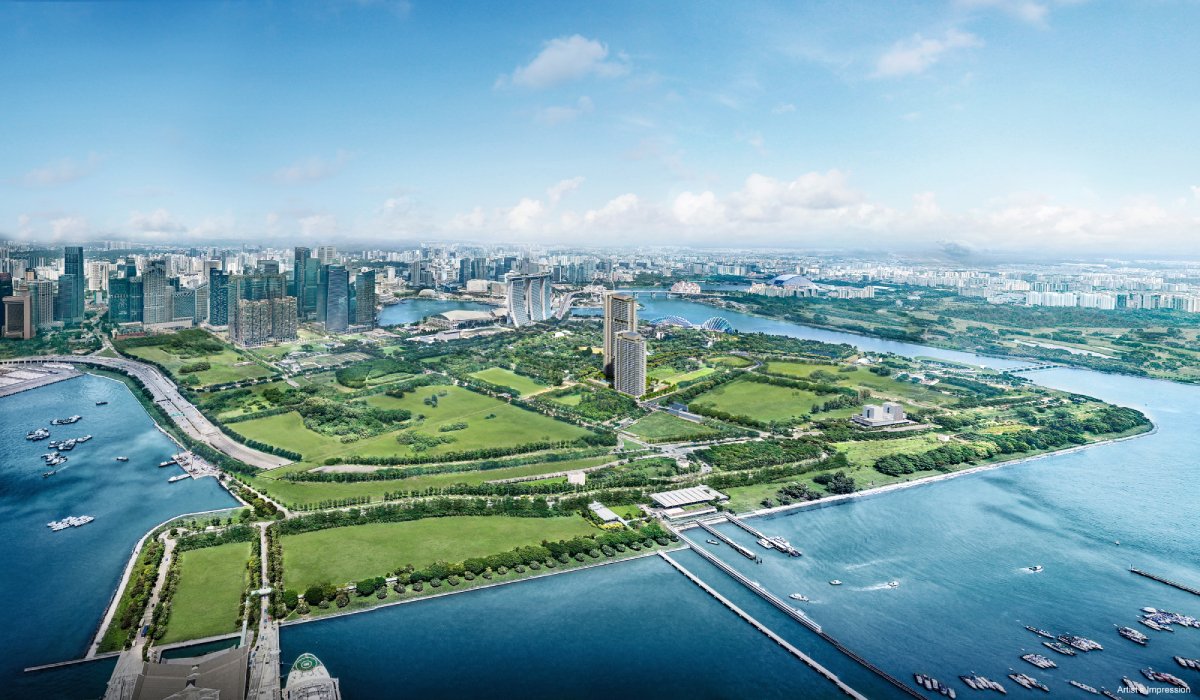
The launch of the second Woodlands Drive 17 GLS site has added a new spark to Singapore’s industrial property market, reinforcing investor confidence and signaling continued momentum across the northern growth corridor. While the tender itself is for an Executive Condominium (EC) plot, the ripple effect extends far beyond residential development. Every new land release in Singapore carries broader implications, and in this case, the move reflects renewed trust in the area’s long-term growth potential, which is also attracting industrial players looking for strategic opportunities.
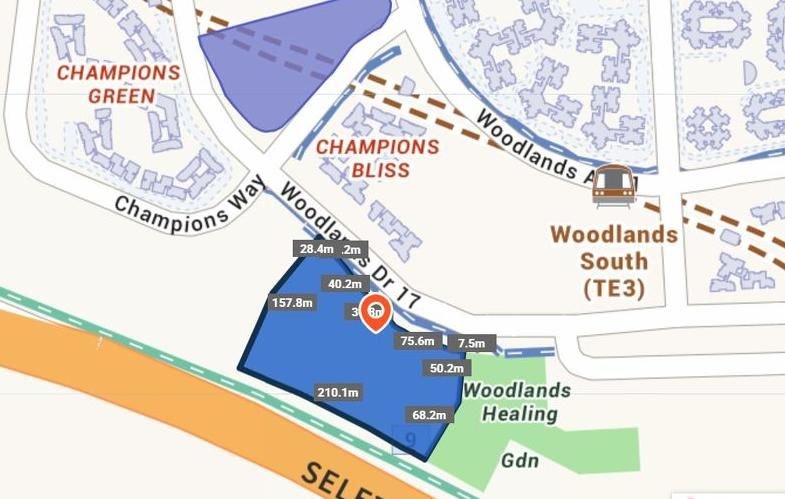
The Housing & Development Board recently launched the second site at Woodlands Drive 17 for sale by tender under the Government Land Sales programme. The plot, a 99-year leasehold, is capable of yielding around 560 EC homes, following the earlier release of a nearby parcel that could accommodate roughly 420 units. Both plots are well connected to the Woodlands South MRT station and form part of Singapore’s broader northern transformation plans. Developers’ strong interest in these sites has signaled rising confidence in the location’s future prospects, which naturally benefits surrounding commercial and industrial zones as well.
The connection between a residential tender and the industrial market may not seem obvious, but in Singapore’s integrated real estate ecosystem, strong demand for one segment often spills over into others. Developer bids for the first Woodlands Drive 17 plot reached about S$360.9 million, equivalent to around S$782 per square foot per plot ratio. Such figures help establish benchmarks for land valuation in neighboring areas, including industrial clusters, where investors and developers often use residential bids as indicators of regional demand and growth potential. As land prices rise in residential projects, the relative value of well-located industrial land becomes more appealing to both occupiers and investors.
Beyond pricing, the Woodlands area benefits from improved infrastructure and transport connectivity. The upcoming RTS Link to Johor Bahru and enhancements around the Woodlands Regional Centre will create a dynamic ecosystem for trade, logistics, and manufacturing. Industrial tenants in logistics, food production, and light manufacturing see value in proximity to major transport corridors, as it helps reduce delivery time and costs while providing better accessibility for workers. With stronger residential growth in the vicinity, businesses also gain access to a larger local workforce and potential customer base, further strengthening the appeal of the area for industrial use.
Another factor driving this momentum is competition for land. As residential developers focus on new EC projects, the availability of prime sites becomes tighter. This competition raises overall land values and encourages creative repositioning of existing industrial assets. Older factories and warehouses in the north are increasingly being eyed for upgrading or redevelopment, aligning with Singapore’s goal of optimizing land use. Investors are also exploring hybrid models that combine production, logistics, and office functions within integrated industrial developments, capitalizing on the strategic location and emerging transport links.
Institutional investors have also taken notice. A robust residential land market typically attracts capital inflows from developers, funds, and family offices seeking yield diversification. Industrial property, known for its stable rental income and lower volatility, becomes a natural complement to these investment strategies. The strong showing at the Woodlands Drive 17 GLS tender reinforces the perception that Singapore’s property market remains healthy and resilient across asset classes, giving institutional investors confidence to expand their portfolios into industrial real estate.
However, there are still challenges to consider. Industrial land remains subject to zoning and regulatory limits, and despite positive sentiment, costs for development, labor, and financing continue to climb. There is also a risk of oversupply, given that the government has increased the number of industrial sites under the Industrial Government Land Sales programme to manage demand. Yet, even with these factors in play, the overall tone remains optimistic. The steady absorption of industrial space, rising rental rates, and continued policy support suggest that the sector remains on a solid growth trajectory.
The launch of the Woodlands Drive 17 site serves as more than just another GLS event. It represents the strengthening link between residential expansion and industrial progress in Singapore’s north. Developers’ confidence in this corridor underscores its potential as a hub for both living and working, supported by efficient infrastructure and cross-border connectivity. As the region evolves, industrial assets in and around Woodlands are likely to benefit from stronger demand, higher valuations, and increased investor attention. This alignment between public housing growth and industrial resilience illustrates Singapore’s strategic planning at its best, creating a future where business and community development move forward together.

