
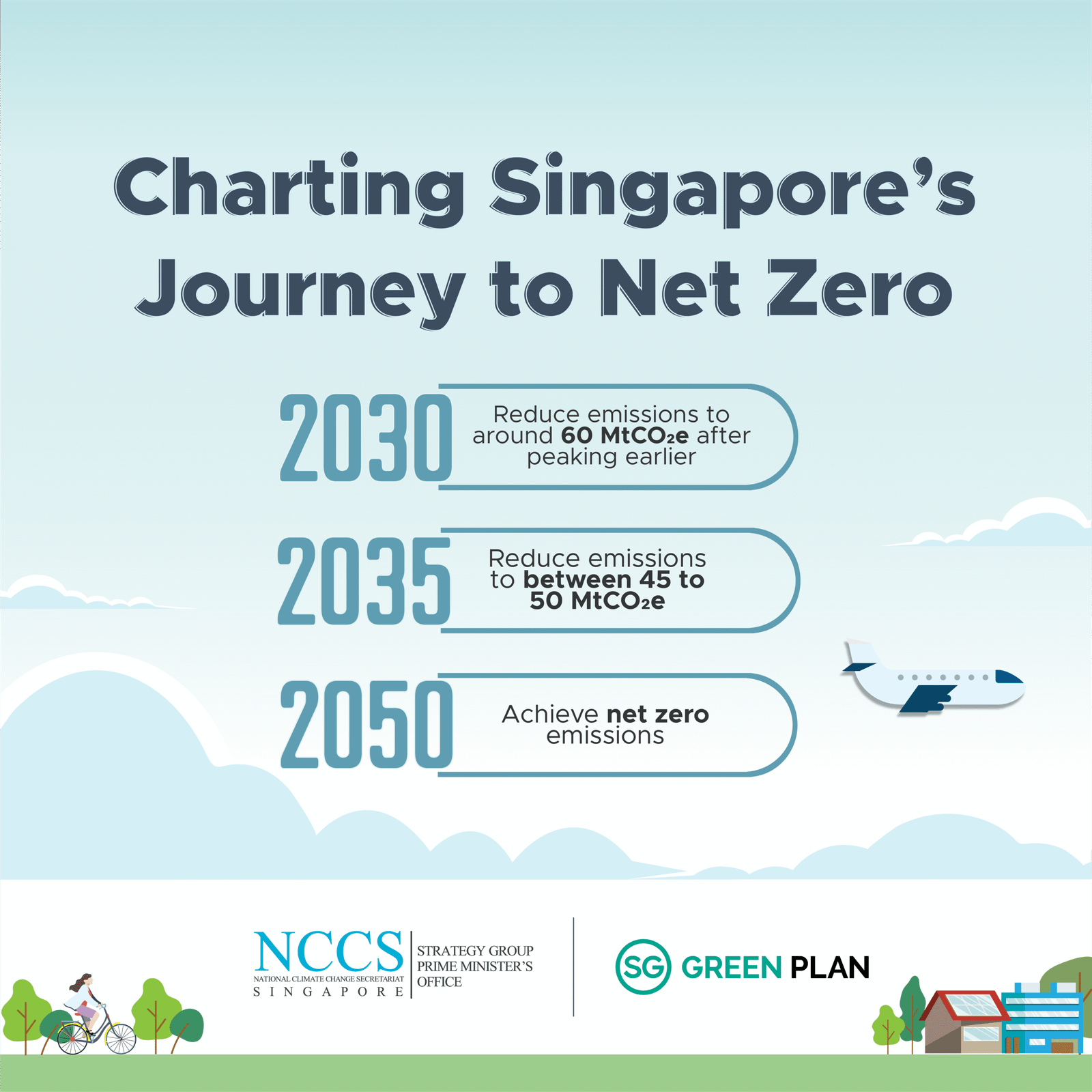
Singapore is pursuing industrial decarbonisation through its Singapore Green Plan 2030, focusing on energy efficiency, renewable energy, and Carbon Capture, Utilisation and Storage (CCUS), with Jurong Island targeted for significant carbon capture by 2030. Initiatives include a broad-based carbon tax to fund green projects, the Enterprise Sustainability Programme for businesses, the Green Building Masterplan for greener buildings, and exploring biorefineries,green hydrogen, and waste heat recovery.The strategy aims for long-term net-zero emissions by 2050.
One of them is City Developments Limited (CDL) has wrapped up another phase of its sustainability efforts, with 42 local small and medium-sized enterprises (SMEs) graduating from its Supplier Decarbonisation Programme. The initiative aims to help local businesses measure and reduce their carbon emissions — a crucial step as Singapore’s private sector moves toward greener and more sustainable operations.
Developed in partnership with sustainability consultancy ENGIE Impact, the programme was created to give smaller businesses the tools and knowledge to navigate the complexities of carbon reduction. Over several months, participants attended workshops and mentoring sessions focused on data-driven emissions tracking, energy management, and practical steps for cutting their environmental footprint.
Extending sustainability across the value chain
For CDL, the programme is part of a broader push to reduce its overall carbon footprint, particularly emissions generated by suppliers and partners. These indirect emissions, known as scope 3 emissions, often make up the largest share of a company’s environmental impact. CDL has set a target to reduce such emissions by 41% per square meter of leased area by 2030, in line with the Science Based Targets initiative (SBTi).
“SMEs play a vital role in our business ecosystem,” said Esther An, CDL’s Chief Sustainability Officer. “By empowering them with the right tools and knowledge, we can accelerate collective progress toward our shared climate goals.”
Many of the SMEs in the programme are long-time partners of CDL, providing services such as construction, maintenance, and technology support. CDL hopes the programme will create a ripple effect, encouraging more suppliers to adopt greener practices and, over time, building a more sustainable supply network.
Helping smaller firms adapt
For smaller firms, transitioning to low-carbon operations often poses challenges. Limited resources, lack of expertise, and uncertainty about the costs of change can slow progress. CDL’s initiative was designed to bridge that gap — focusing on practical solutions rather than theory.
Participants learned to identify emission hotspots within their operations, explore renewable energy options, and improve efficiency in areas such as logistics, materials use, and waste management. Some are already taking further steps, such as pursuing green certifications and adopting energy-efficient technologies.
According to participants, the programme also helped them see sustainability in business terms — not just as a social responsibility, but as a way to stay competitive and resilient.
Building long-term resilience
The completion of the Supplier Decarbonisation Programme underscores CDL’s ongoing efforts to integrate sustainability throughout its operations. The company has long been recognized for its leadership in this space, consistently ranking among the top performers in international sustainability benchmarks such as the Dow Jones Sustainability Indices and CDP (formerly Carbon Disclosure Project).
Moving forward, CDL plans to expand its decarbonisation efforts by onboarding more suppliers and working with public and private sector partners to share resources and expertise. The company also intends to strengthen its green procurement policies to further align its supply chain with its climate commitments.
For industrial properties focus on reducing carbon emissions by improving energy efficiency, transitioning to renewable energy sources, and implementing carbon capture and storage (CCS) technologies. Key strategies include electrifying heat, utilizing hydrogen as fuel, optimizing energy management systems, increasing the use of recycled materials, and designing products for longevity. Government initiatives and international programs support these efforts by providing funding, incentives, and frameworks to help industries adopt net-zero practices.
Collective progress
The graduation of 42 SMEs represents a small but meaningful shift in how local businesses approach sustainability. As more companies adopt measurable carbon-reduction strategies, Singapore’s broader goal of reaching net zero by 2050 becomes more attainable.
For CDL, the success of the programme shows that climate action doesn’t have to be a solo effort. When large corporations and smaller businesses move in the same direction, meaningful progress follows — one collaboration at a time.

