
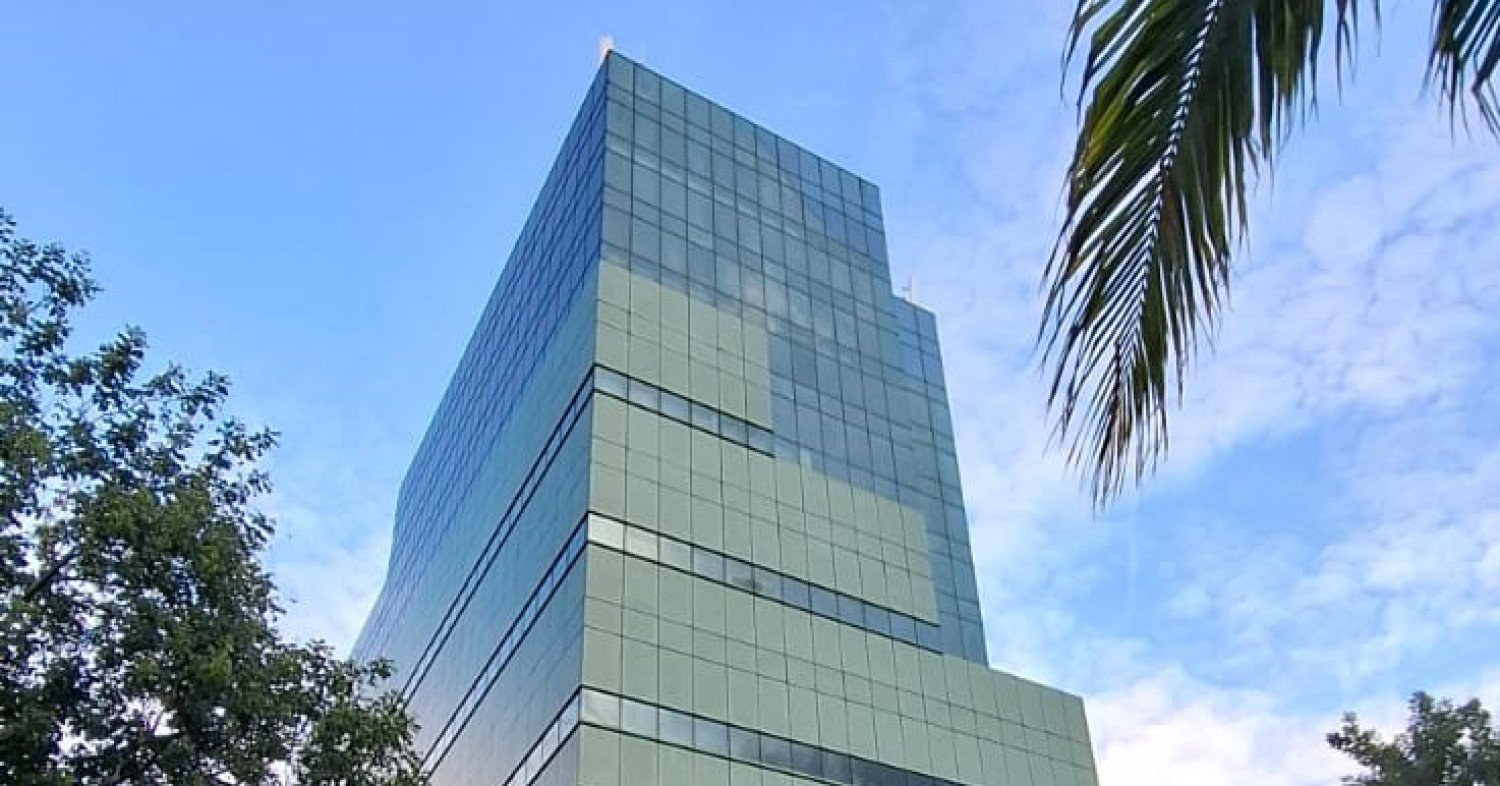
The news that a significant industrial building in Singapore, reportedly tied to the business interests of Cambodian tycoon Chen Zhi, has been put on the market with an asking price of S$50 million arrives amid intense international scrutiny and asset seizures linked to the entrepreneur. This divestment, marketed via an Expression of Interest (EOI), is highly notable not only for the substantial price tag but also for the controversial context surrounding the property’s ultimate beneficial ownership.
The property sale surfaces during a period of concerted, multi-jurisdictional action against Chen Zhi, the founder and chairman of the Prince Holding Group, a conglomerate spanning real estate, financial services, and consumer businesses in Cambodia and beyond. Chen, who holds both Cambodian and British citizenship, and his network have been the subject of recent sanctions by the US and UK governments. Furthermore, he has been indicted by US federal prosecutors on charges of wire fraud conspiracy and money laundering, alleging his involvement in a vast cyber-fraud empire, including forced-labour scam operations.
While details of the specific industrial building being marketed for S$50 million remain under wraps, it is understood to be a high-value asset adding to the string of properties that have come under legal or market pressure. Singapore police, in a major enforcement operation, previously seized and issued prohibition of disposal orders against **six properties** and various financial assets tied to Chen Zhi and his associates, with the total estimated value of seized assets in the city-state exceeding **S$150 million**. This latest listing suggests an effort to realise value from assets that may be deemed outside the immediate scope of current prohibition orders, or which are being strategically liquidated by associated entities.
The movement of this asset to the open market, particularly one connected to such a high-profile international probe, is likely to attract a distinct profile of potential buyers. The sale is less about traditional industrial market fundamentals and more about purchasing an asset under a cloud of international legal complexity. Given Singapore’s stringent anti-money laundering regulations and the public nature of the allegations, any buyer would need to conduct meticulous due diligence to ensure a clean transaction, especially regarding the source of funds and the property’s legal history.
For the Singapore property market, the listing highlights the impact of global regulatory crackdowns on the local real estate sector. The city-state has been lauded for its efforts to combat financial crime, with authorities actively investigating the activities of Chen Zhi and his associated companies following financial intelligence from the Suspicious Transaction Reporting Office. The listing of this S$50 million industrial asset demonstrates the unfolding financial consequences for individuals targeted by major international sanctions and criminal investigations.
As the Expression of Interest period commences, the focus will be on the final transaction price and the identity of the successful bidder. The outcome of the sale will not only test the appetite of investors for high-spec industrial properties in a complex environment but also serve as a barometer of how assets linked to sanctioned and investigated individuals are valued and divested in a major global financial hub like Singapore. It is a story where high finance, international logistics, and geopolitical accountability intersect on the local property market.

